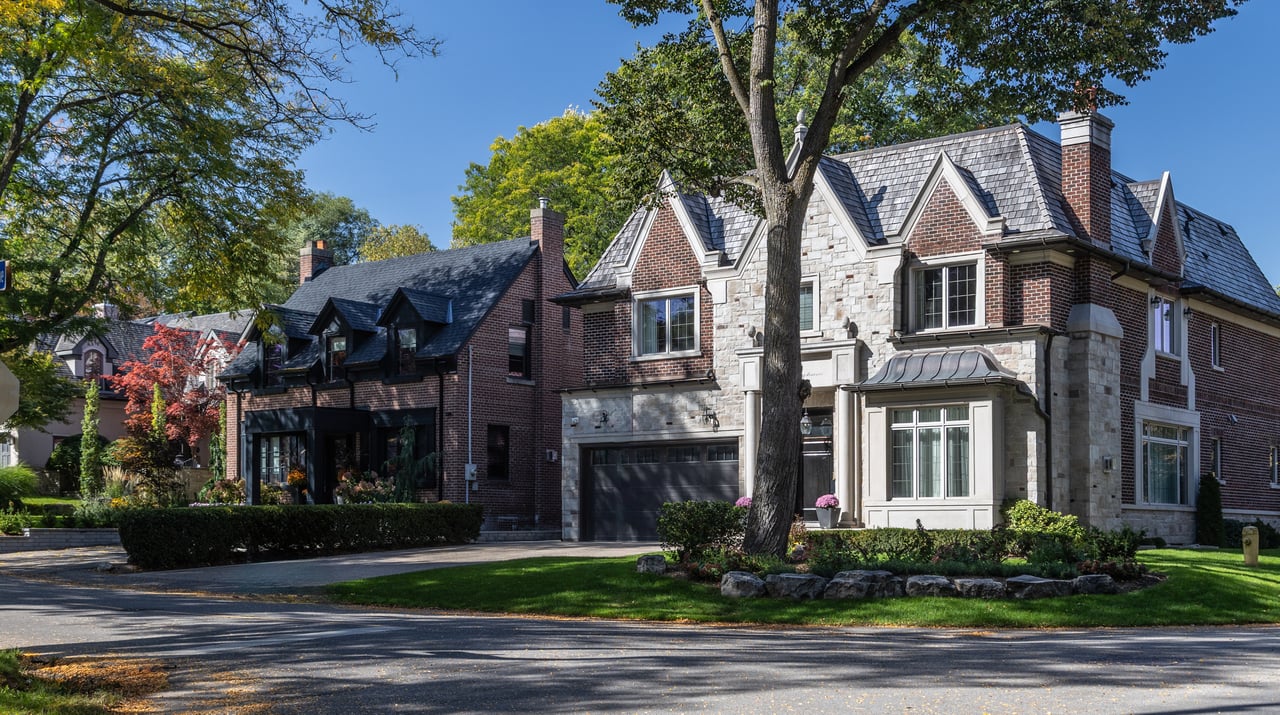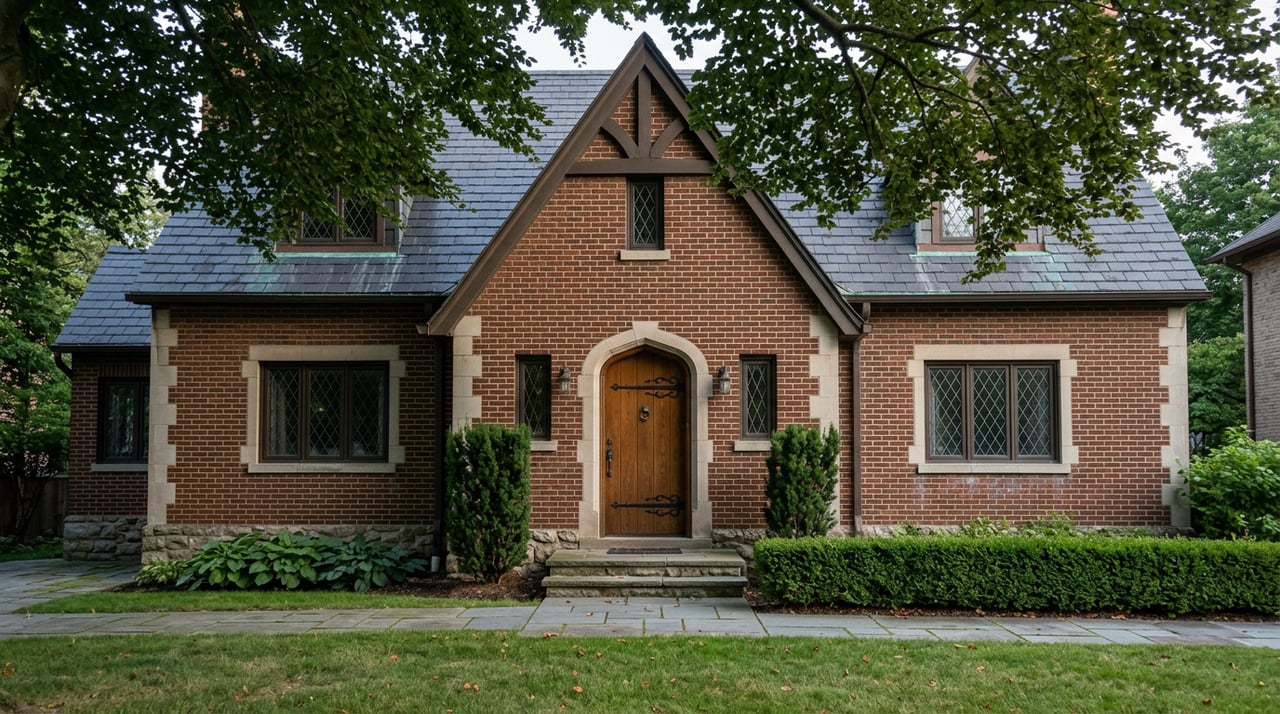
On a Wednesday morning in February, more than 80 people walked through a semi-detached house on Roslin Avenue, priced under $1.4 million. The sellers had told everyone they'd review offers a week later. That evening, three bids arrived instead. The winning offer came in $52,000 over asking, with no conditions attached, from a couple who had toured the house four separate times before deciding to bid.
Five months later, the citywide numbers told an almost opposite story. In July 2026, roughly 78 percent of homes across the Greater Toronto Area sold below their final asking price, according to HouseSigma data reported by Yahoo Finance, with the median sale landing about $23,000 under list. Cailey Heaps, president of a Toronto real estate team, described the shift bluntly in that same report: asking price had gone back to being a starting point for negotiation rather than a floor in a bidding contest. The Toronto Regional Real Estate Board's own figures backed her up. The average selling-price-to-listing-price ratio across the region sat at 97.3 percent that month, down from 103 percent in the same month five years earlier.
So which is it? Is Toronto a market where sellers negotiate down, or one where a well-priced semi in Lawrence Park still draws a crowd and a premium? The honest answer is both, and the reason why matters more than either headline on its own.
Lawrence Park's Spring and Summer Didn't Match the Citywide Script
The Roslin Avenue sale wasn't an outlier. Over the following months, a pattern of Lawrence Park detached and semi-detached homes selling above asking repeated itself, tracked address by address in the Globe and Mail's ongoing done-deal coverage of the neighbourhood.
| Address | Listed | Sold | Result | Days on Market | Month |
|---|---|---|---|---|---|
| 20 Roslin Ave. | $1,398,000 | $1,450,000 | +$52,000 | 7 | Feb. 2026 |
| 57 Snowdon Ave. | Not listed with a public ask | $2,675,000 | Sold after a "Coming Soon" sign drew two bidders | Not disclosed | Feb. 2026 |
| 5 Lawrence Cres. | $3,498,888 | $3,555,000 | +$56,112 | 6 | Apr. 2026 |
| 62 Roe Ave. | $1,549,900 | $1,575,000 | +$25,100 | 5 | June 2026 |
The mechanics behind each sale were nearly identical. Agents priced the home below what comparable properties in the immediate area were worth, generated a short, sharp window of showings, and set an offer date. On Roe Avenue, the listing agent noted there simply weren't other semis for sale in Lawrence Park at the time, so 20 private tours in a single week turned into a two-way bidding contest almost by default. On Lawrence Crescent, the agent said he'd toured every comparable home nearby before setting the price specifically to undercut them.
The Lot on Buckingham Avenue Breaks the Pattern, and That's the Point
Not every Lawrence Park property behaved this way, and the exception is instructive. A five-bedroom house on a 50-by-215-foot corner lot near Buckingham Avenue listed for $4.75 million in February 2026. The lot was rare, wide enough to support a coach house or garden suite, but the 82-year-old house on it had no basement and needed substantial work to modernize or replace. Buyers hesitated. The sellers cut the price by $381,000 in April, and the home eventually closed at $3.8 million with an architect buyer who wanted to build.
That's a sale that moved in the opposite direction from Roslin, Snowdon, Lawrence Crescent, and Roe. The difference wasn't the neighbourhood. It was the buyer pool. A turnkey semi under $1.6 million draws young families and renovators alike, a group large enough that undercutting the price by even a modest margin produces genuine competition. A $4.75 million teardown on an oversized lot draws a narrower slice of buyers willing to take on construction risk at that price point, and undercutting doesn't manufacture demand that isn't there.
Down the Street, a Condo Told the Opposite Story
The clearest version of that same lesson showed up in a different property type entirely. A 1,012-square-foot condo in a high-rise across from the Lawrence Park ravine and the Yonge Street subway station listed for $1,325,000 in the fall of 2025. It drew only a handful of visitors over three weeks. The sellers reset the price below $1.25 million, and a deal closed two weeks later at $1,185,000, roughly 11 percent under the original ask.
The listing agent, David Peres, put it plainly: the initial number was a test of the market's upper limit, and the market said no. He also noted that only two units in that same building had sold above $1 million since the previous September, a detail that matters more than the headline sale price. A condo buyer shopping that building had other comparable units to weigh the listing against. A semi buyer shopping Lawrence Park in February had almost nothing else to compare Roslin Avenue to.
What's Actually Driving the Split
Put the four detached and semi sales next to the condo and the teardown lot, and the pattern isn't about Lawrence Park as a single market. It's about how much genuine comparison shopping a buyer can do before making an offer.
When Lawrence Park's low-turnover detached and semi stock produces a well-priced, move-in-ready listing, buyers who have been watching the market for months show up immediately, because there is rarely a second chance sitting a block away. That scarcity is what turns an underpriced listing into an auction. Industry analyst John Pasalis has made the broader version of this point about the citywide market: pricing a home low to spark a bidding war can backfire badly when there's enough comparable supply nearby for buyers to simply choose the alternative instead. Lawrence Park's detached and semi segment mostly avoids that trap because the alternative often doesn't exist. Its condo segment, and its highest-priced redevelopment lots, don't have that same protection, and both behaved exactly the way Pasalis would predict.
What This Means If You're Weighing a Move Here
If you're comparing a purchase in Lawrence Park against other midtown neighbourhoods using the citywide sale-to-list ratio as your guide, that single number will mislead you. A 97 percent regional average says nothing about whether the specific semi you're touring next week will go for $25,000 over ask or ten percent under, and the 2026 data shows both outcomes happening within blocks of each other depending on property type.
For sellers, the takeaway is equally specific. Underpricing a turnkey detached home or semi in Lawrence Park has worked repeatedly this year, but it works because the home is genuinely comparable to what buyers already want and there's little else on the market to pull them away. It is a strategy that depends on real scarcity, not a pricing trick that works regardless of what you're selling. A large lot that requires new construction, or a condo unit competing against others in the same building, needs a different approach, closer to what the rest of Toronto's negotiated market looks like this year.
If you're weighing Lawrence Park against nearby options, our comparison of Rosedale, Forest Hill, and Lawrence Park walks through how each neighbourhood's inventory behaves differently, and our neighbourhood page has more on the streets and lot types referenced above.
A Few Direct Questions
Does this mean any Lawrence Park listing will sell over asking if it's priced low enough? No. The Buckingham Avenue lot shows the opposite can happen when a property needs significant work and appeals to a narrower buyer pool. Underpricing amplifies existing demand. It doesn't create demand that isn't there.
Is this pattern specific to the historical core, or does it extend to Lawrence Park North? The Snowdon Avenue sale, in Lawrence Park North, followed the same script as the core neighbourhood sales south of Lawrence Avenue. A "Coming Soon" sign with no posted asking price still drew competing bids within a day.
Should a condo seller in Lawrence Park try the same underpricing strategy? The one 2026 example we have suggests caution. Testing a high price and correcting downward cost that seller roughly three months of carrying costs before the deal closed below the original ask. Pricing closer to realistic value from the outset appears to be the steadier path for condos in a building where buyers can compare units directly.
If you're trying to figure out which side of this split your own purchase or sale falls on, that's exactly the kind of question worth a direct conversation rather than a generic market report. Anita Springate-Renaud has spent 25 years reading Toronto's neighbourhood-level pricing patterns, and would be glad to walk through what the current data means for your specific property or timeline. Let's Connect.