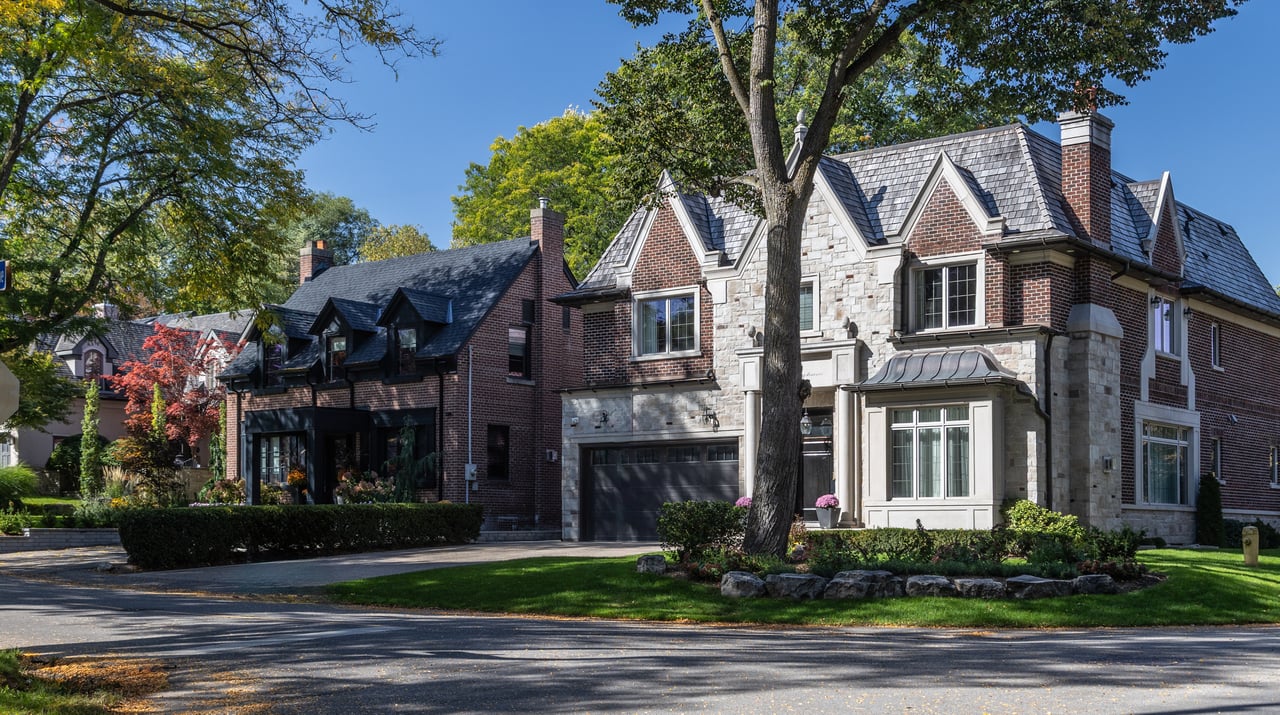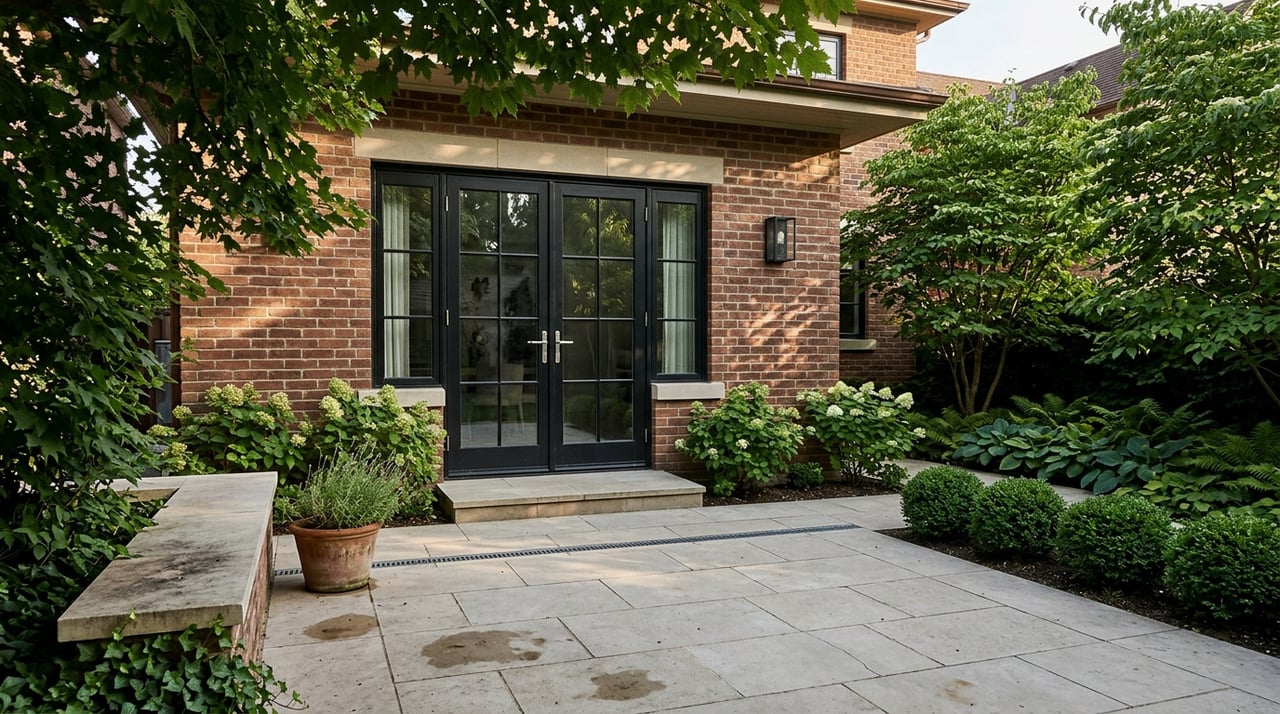
Trying to choose between Rosedale, Forest Hill, and Lawrence Park can feel surprisingly complicated. Each area has a strong reputation, a distinct streetscape, and a very different day-to-day rhythm once you look beyond the headlines. If you want a clearer way to compare them, this guide will help you understand how housing, green space, and everyday convenience differ so you can narrow your search with confidence. Let’s dive in.
What Sets These Areas Apart
At a high level, these three Toronto neighbourhoods offer three different experiences. City planning and heritage materials point to Rosedale as the most historically formal and centrally connected, Forest Hill as the most mixed in housing and village character, and Lawrence Park as the most consistently residential and ravine-oriented.
That matters because buyers often start with price or appearance, when the better first question is how you want to live day to day. Your best fit may come down to whether you value heritage charm, a walkable retail core, or a quieter residential setting.
Rosedale for Heritage and Centrality
Rosedale stands out for its historic identity. The City describes it as an early picturesque suburb with upper-class housing dating from the 1880s to the 1930s, with curving streets, mature trees, park-like lots, and notable historic architectural styles.
It is also a Heritage Conservation District, which means changes are managed with heritage character in mind. For buyers, that can support a strong sense of continuity in the streetscape, though it can also mean a more structured environment for future alterations.
What Housing Feels Like in Rosedale
If you are drawn to older homes with established character, Rosedale will likely be compelling. Its housing stock is closely tied to historic form and setting, and the neighbourhood has a more formal, legacy feel than the other two areas in this comparison.
This is not the place buyers usually choose for the widest range of housing types. Instead, the appeal is the combination of history, greenery, and a location that still feels highly connected to the city.
Daily Life in Rosedale
Rosedale offers more everyday convenience than many buyers expect from a heritage neighbourhood. The Rosedale Main Street BIA along Yonge Street between Crescent Road and Woodlawn Avenue includes more than 180 businesses, including restaurants, cafes, boutiques, and wellness businesses.
That gives you a real walk-to-the-strip advantage. You can enjoy a residential setting without feeling cut off from daily errands, coffee stops, or casual dining.
Green Space and Movement in Rosedale
The neighbourhood’s tree-lined streets are a major part of its identity. The Rosedale Valley Road multi-use trail connects Bayview Avenue to Park Road and links into parks and the Don Valley trail network.
City investments nearby also add to the lifestyle appeal. Ramsden Park, Budd Sugarman Park, and the recreation facility near Rosedale Station contribute to the sense that this is a centrally located area with meaningful access to outdoor space.
Forest Hill for Variety and Village Feel
Forest Hill offers the broadest mix of housing forms of the three. City planning materials describe the broader St. Clair/Bathurst and Forest Hill Village area as including single- and semi-detached homes, low-rise walk-ups, mid-rise and tall buildings, and tower-in-the-park rental buildings.
That variety can be useful if you want options. Whether you are comparing freehold homes, townhouses, or apartments, Forest Hill gives you more built-form range than either Rosedale or Lawrence Park.
What Housing Feels Like in Forest Hill
Forest Hill balances established residential streets with a more mixed urban fabric. Around the village area, you will find a combination of commercial and residential uses, with nearby single and semi-detached houses, townhouses, and walk-up apartments.
For buyers, that often translates into flexibility. You may be able to stay within the same general neighbourhood character while choosing a different housing format that better fits your stage of life or budget.
Daily Life in Forest Hill
Forest Hill Village is the clearest neighbourhood-scale retail node of the three areas. The BIA along Spadina Road north of St. Clair includes restaurants, cafes, food shops, boutiques, specialty retailers, health and wellness providers, and service businesses.
That main-street structure shapes how the neighbourhood feels. If you want a local commercial strip that reads like a true village centre, Forest Hill is especially strong.
Parks and Streetscape in Forest Hill
City planning materials emphasize the area’s distinct main-street character, small-town feel, and access to parks and ravines. Heritage material also notes that Suydam Park has long provided access to Cedarvale Ravine.
This gives Forest Hill a useful middle ground. You get a walkable village environment while still being close to substantial green space.
Lawrence Park for Quiet Residential Living
Lawrence Park is the most consistently residential of the three neighbourhoods. City planning documents describe a built form of bungalows, semi-detached homes, and detached houses, much of it developed in the early to mid-20th century.
The area is also associated with large lots, gentle topography, and a more suburban street pattern. If you want a neighbourhood that feels lower intensity and more inwardly residential, Lawrence Park may be the clearest match.
What Housing Feels Like in Lawrence Park
Compared with Forest Hill, Lawrence Park is less mixed in form. Compared with Rosedale, it is less about heritage formality and more about a steady, residential landscape shaped by lot size, greenery, and quieter streets.
That consistency is part of the appeal. Buyers who value a calm, low-rise setting often find Lawrence Park easier to understand because the neighbourhood identity is so cohesive.
Daily Life in Lawrence Park
Lawrence Park’s convenience pattern is more edge-based than internal. The Yonge-Lawrence Village BIA is a mixed-use main street with 329 retail, restaurant, and personal-service businesses and about 3,000 jobs, and the City notes that it benefits from convenient transit and vehicular access.
Inside the neighbourhood itself, though, retail is more limited. In practical terms, you may rely more on the area around Yonge and Lawrence for errands and services rather than finding them distributed through the interior streets.
Ravines and Street Environment in Lawrence Park
Lawrence Park is the most ravine-oriented choice on a daily basis. City materials frame the area around the Sherwood Park and Lawrence Park ravine network, reinforcing the neighbourhood’s connection to natural landscape.
The City’s road and stormwater study also points to aging roads, drainage issues, and new sidewalks on selected streets. For buyers, that signals a quieter street network that continues to evolve with infrastructure and pedestrian safety improvements.
A Simple Way to Compare Them
If you are deciding between these three areas, it helps to focus on your priorities instead of trying to rank them generally. Each neighbourhood performs well, but in different ways.
| Neighbourhood | Best Fit For | Key Strength |
|---|---|---|
| Rosedale | Buyers who want heritage character and central access | Historic setting with strong walkable convenience |
| Forest Hill | Buyers who want housing variety and village energy | Broad mix of homes and a clear main-street core |
| Lawrence Park | Buyers who want a quieter residential setting | Ravine-oriented, low-intensity neighbourhood feel |
Which Area May Suit You Best
Choose Rosedale if you want the strongest heritage character and a blend of centrality and daily convenience. It is especially appealing if streetscape, mature trees, and historic housing are high on your list.
Choose Forest Hill if you want the broadest range of housing forms and the most convincing village-main-street environment. It can be a practical option if lifestyle fit matters as much as the home itself.
Choose Lawrence Park if you want a consistently residential, ravine-rich setting and you are comfortable with fewer retail options inside the neighbourhood grid. It often suits buyers who prioritize calm surroundings and a lower-intensity daily rhythm.
A thoughtful home search is not only about finding the right property. It is also about matching your routines, priorities, and long-term plans to the right neighbourhood. If you want a measured, highly personalized buying strategy in Toronto, Anita Springate-Renaud can help you compare your options with clarity and discretion.
FAQs
How does Rosedale compare to Forest Hill for Toronto buyers?
- Rosedale offers stronger heritage character and central connectivity, while Forest Hill offers a broader mix of housing and a stronger village-main-street feel.
What makes Lawrence Park different from Rosedale and Forest Hill?
- Lawrence Park is the most consistently residential and ravine-oriented of the three, with a quieter street pattern and fewer everyday retail options inside the neighbourhood itself.
Which Toronto neighbourhood has the most housing variety?
- Forest Hill has the broadest mix of housing forms, including single- and semi-detached homes, walk-ups, and larger apartment buildings.
Which area has the strongest walkable retail core for buyers?
- Forest Hill Village is the clearest neighbourhood-scale retail node, while Rosedale also offers strong daily convenience along its Yonge Street main street.
Is Lawrence Park a good fit if you want green space nearby?
- Yes. City materials frame Lawrence Park around the Sherwood Park and Lawrence Park ravine network, making it the most ravine-oriented option in this comparison.