If you are thinking about selling a home in Rosedale, timing can feel like the biggest decision of all. In an evolving market, it is easy to wonder whether you should wait for a stronger season, list now, or spend more time preparing first. The good news is that a smart sale is rarely about chasing one perfect week. It is about understanding local conditions, preparing thoughtfully, and launching with a pricing strategy that fits the moment. Let’s dive in.
Why timing matters in Rosedale
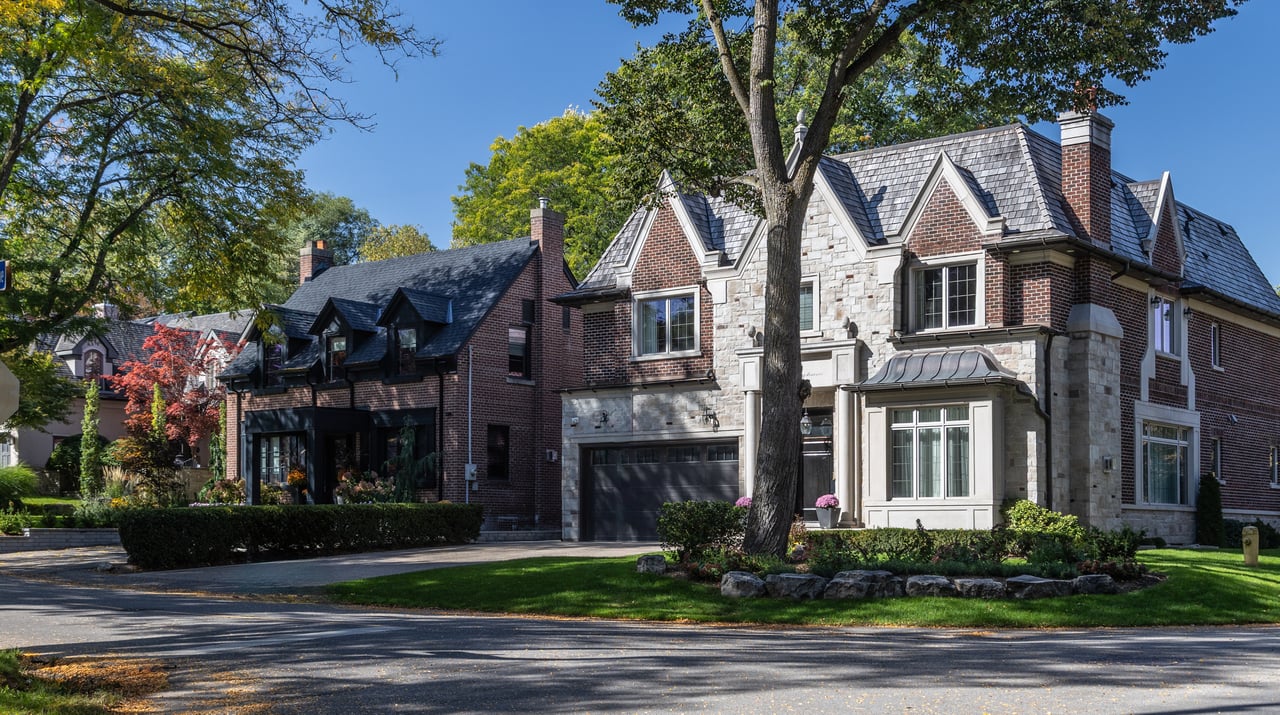
Rosedale is not a high-volume market where dozens of similar homes trade every month. It is a heritage-sensitive, high-value neighbourhood with a distinct streetscape, mature trees, and a relatively small number of transactions. That means timing matters, but so does context.
In April 2026, Rosedale had 68 active listings, 40 new listings, and 9 sold listings, with a median sold price of $3.1 million and an average of 27 days on market. Wahi reported 8 months of inventory for the neighbourhood that month and labeled it a strong buyer’s market. With such a thin sales sample, a few transactions can shift monthly numbers quickly.
For you as a seller, that means broad headlines only go so far. A Rosedale sale often depends more on how your home is positioned against current competing listings than on one month of market chatter.
What the broader market is saying
Across the GTA, spring 2026 brought more activity, but not a simple return to rising prices. TRREB reported 5,946 home sales in April 2026, up 7% year over year, while new listings fell 9.3% to 17,097. That points to tighter market conditions than earlier in the year.
At the same time, the average selling price across the GTA was still down 4.9% year over year, at $1,051,969. TRREB also reported that the MLS HPI composite was down 6.6% year over year. In plain terms, more buyers were active, but pricing remained sensitive.
That is an important takeaway if you are selling in Rosedale. A busier spring market does not automatically guarantee a higher sale price. Buyers may be out shopping, but they are still weighing value carefully.
Spring can help, but it is not magic
There is a reason many sellers target spring and early summer. TRREB’s 2025 monthly data showed a clear seasonal ramp, with sales climbing from 3,820 in January to 5,558 in April and 6,200 in May. April 2026 followed a similar pattern, with both sales and new listings increasing from March.
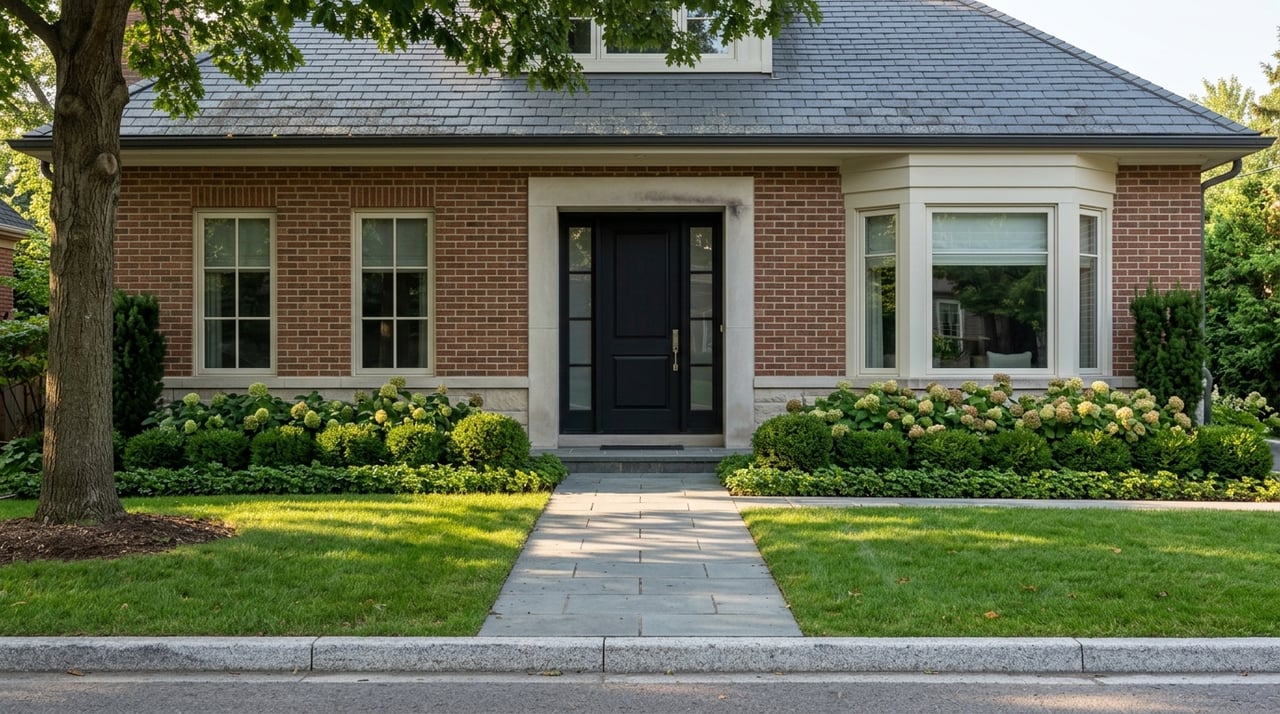
In a neighbourhood like Rosedale, spring also tends to showcase the setting well. The City of Toronto describes the area as having curving streets, mature tree canopy, and park-like lots. Late spring and early summer can strengthen curb appeal and photography simply because the neighbourhood is visually at its best.
Still, seasonality should not be confused with certainty. If your home is not fully prepared, or if your pricing misses the market, a spring launch alone may not deliver the result you want.
Pricing discipline matters more now
When the market is evolving, pricing discipline becomes one of your strongest tools. In a neighbourhood with only a handful of monthly sales, it can be tempting to anchor your expectations to a standout sale or a listing that looks similar on paper. That approach can be risky in Rosedale.
The local sales sample is small, and monthly averages can move materially based on just a few transactions. A pricing strategy should look at current competition, recent sales, days on market, and how buyers are behaving right now, not just what happened in a stronger past cycle.
This is especially relevant because Rosedale appears slower than the broader detached market. CREA’s Toronto detached data for Q1 2026 showed 4.2 months of inventory and a median 21 days on market, compared with Rosedale’s 8 months of inventory and 27 average days on market in April 2026. While the geographies and time frames differ, the comparison suggests buyers may have more room to negotiate in Rosedale than in the broader market.
Heritage rules can affect your timeline
In Rosedale, timing is not only about market season. It is also about your property itself.
The City of Toronto identifies both South Rosedale and North Rosedale as Heritage Conservation Districts. If your home is designated or sits within one of these districts, certain changes may require review through the heritage permit or building permit process.
Toronto’s Heritage Permit Guide states that owners of designated heritage properties need a heritage permit before undertaking changes, and that properties within Heritage Conservation Districts are reviewed through the building-permit or heritage-permit process. The city also notes that some decisions are delegated to staff, while others may go to Council, and that the statutory decision period is 90 days from a complete application.
That is why many Rosedale sellers benefit from starting early. If you are considering exterior repairs, paint changes, window work, landscaping changes that affect heritage features, or other visible updates, it is wise to confirm requirements before building your listing calendar.
How far ahead should you plan?
For many Rosedale sellers, a planning window of 3 to 6 months is reasonable. That timeline is an inference drawn from the city’s heritage review process and the coordination often involved with older homes and exterior work.
This lead time gives you room to:
- confirm whether the home is designated or subject to district review
- identify any work that may trigger heritage review
- complete permit-related steps if needed
- plan repairs, touch-ups, or styling
- schedule photography and marketing materials
- choose a list date based on both readiness and market conditions
A well-prepared listing often creates more flexibility. Instead of rushing to catch a seasonal window, you can launch when the home is truly ready to compete.
Should you wait for lower rates?
Interest rates do matter, but they should not be the only factor in your decision. The Bank of Canada held its overnight rate at 2.25% on April 29, 2026, and noted that housing activity had been held back by economic uncertainty and affordability challenges.
TRREB also noted that lower home prices and borrowing costs over the past year helped some buyers this spring. That tells you rates influence demand, but they do not control the entire market. Buyer confidence, available inventory, pricing, and property quality all shape the result.
If you are waiting only for rates to move, you may miss a better question: is your home ready to stand out today? In many cases, a well-prepared and well-priced home can perform better than a delayed listing that enters the market under the same competition later.
Should you renovate before listing?
Not every pre-sale improvement pays off. In a market where buyers are price-conscious, the best updates are usually the ones that improve marketability, reduce friction, or address issues that could slow negotiations.
For a Rosedale home, that might mean selective work rather than a broad renovation. The right approach depends on the home’s condition, what buyers are currently seeing in competing listings, and whether any exterior changes would require heritage review.
Before committing to work, ask a few practical questions:
- Will this change improve first impressions?
- Will it help justify the asking price?
- Will it solve an issue buyers may flag during showings?
- Does it affect a heritage feature or visible exterior element?
If the answer is unclear, it may be better to focus on presentation, maintenance, and pricing instead of taking on a larger project.
The best sale window is readiness plus demand
In today’s market, the strongest timing strategy is rarely just “list in spring.” A better formula is to combine market activity with full preparation.
That means watching for periods when buyers are engaged, while also making sure your home is photographed beautifully, presented clearly, priced with discipline, and free of avoidable delays. In Rosedale, where each listing can be unique and each sale can influence perception, that kind of preparation matters.
If your home has heritage considerations, the best time to start is likely earlier than you think. If your home is ready now, the better opportunity may be to act while active buyers are already in the market, rather than waiting for a perfect signal that may never arrive.
Selling a distinguished home in Rosedale calls for calm judgment, careful planning, and a tailored approach to timing. If you are weighing when to list, connect with Anita Springate-Renaud for discreet, thoughtful guidance shaped by Toronto market experience and a high-touch advisory process.
FAQs
When is the best time to sell a Rosedale home?
- Spring and early summer often bring more market activity, but the best time to sell a Rosedale home is when it is fully prepared, priced appropriately, and ready to compete with current listings.
How long does it take to prepare a Rosedale home for sale?
- Many Rosedale sellers should allow 3 to 6 months to prepare, especially if the home may need repairs, styling, photography, or heritage-related review before listing.
Do heritage rules affect selling a home in Rosedale?
- Yes. South Rosedale and North Rosedale are Heritage Conservation Districts, and certain exterior changes or work on designated properties may require review through the City of Toronto’s heritage or building permit process.
Should I wait for spring to list my Rosedale property?
- Not necessarily. Spring can bring more buyers, but in the current market preparation and pricing discipline are just as important as seasonality.
How much should I rely on one month of Rosedale sales data?
- Only to a limited extent. Rosedale has a small number of monthly sales, so averages and pricing trends can shift quickly based on only a few transactions.
Do interest rates matter when selling a home in Rosedale?
- Yes. Interest rates influence buyer demand and affordability, but they are only one part of the timing decision alongside inventory, pricing, and your home’s readiness.