Selling a Bridle Path estate is rarely a standard listing exercise. When your property’s value is tied to land, privacy, architecture, and setting, the process needs more than broad market averages and generic luxury marketing. You need a plan that respects what makes these homes distinct, protects your privacy, and reaches the right qualified buyers. Let’s dive in.
Why Bridle Path Homes Need A Different Strategy
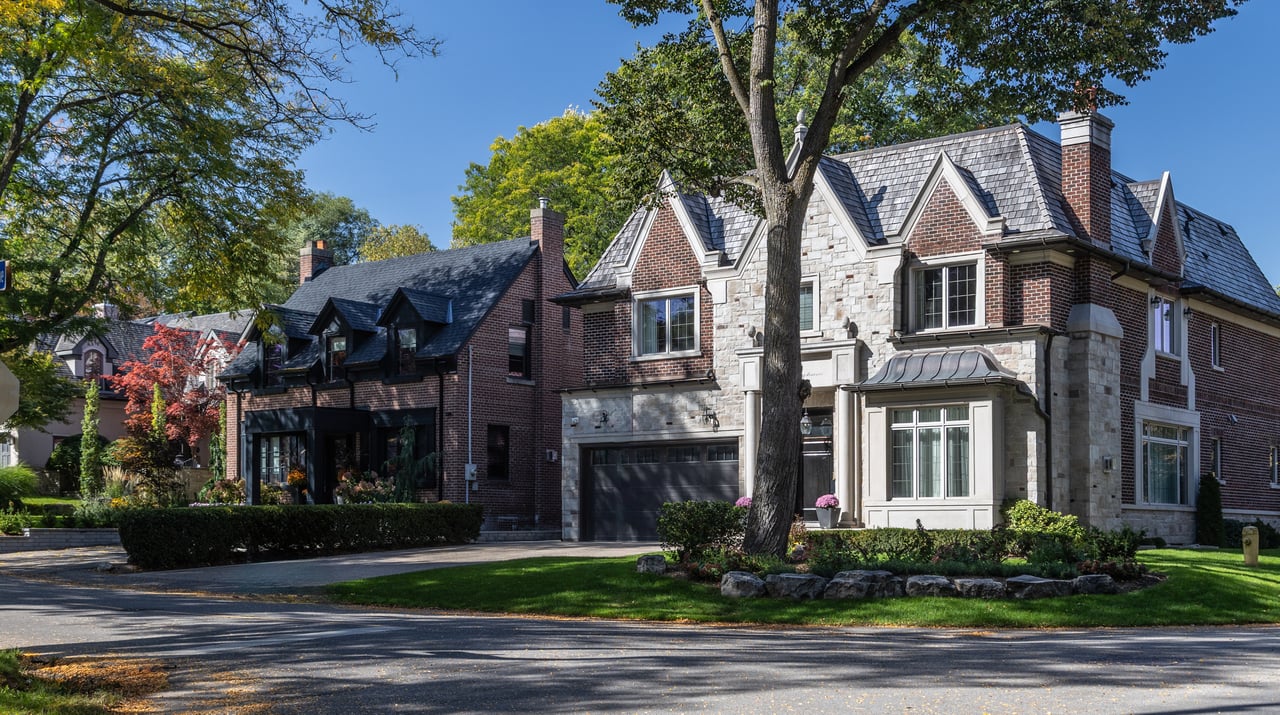
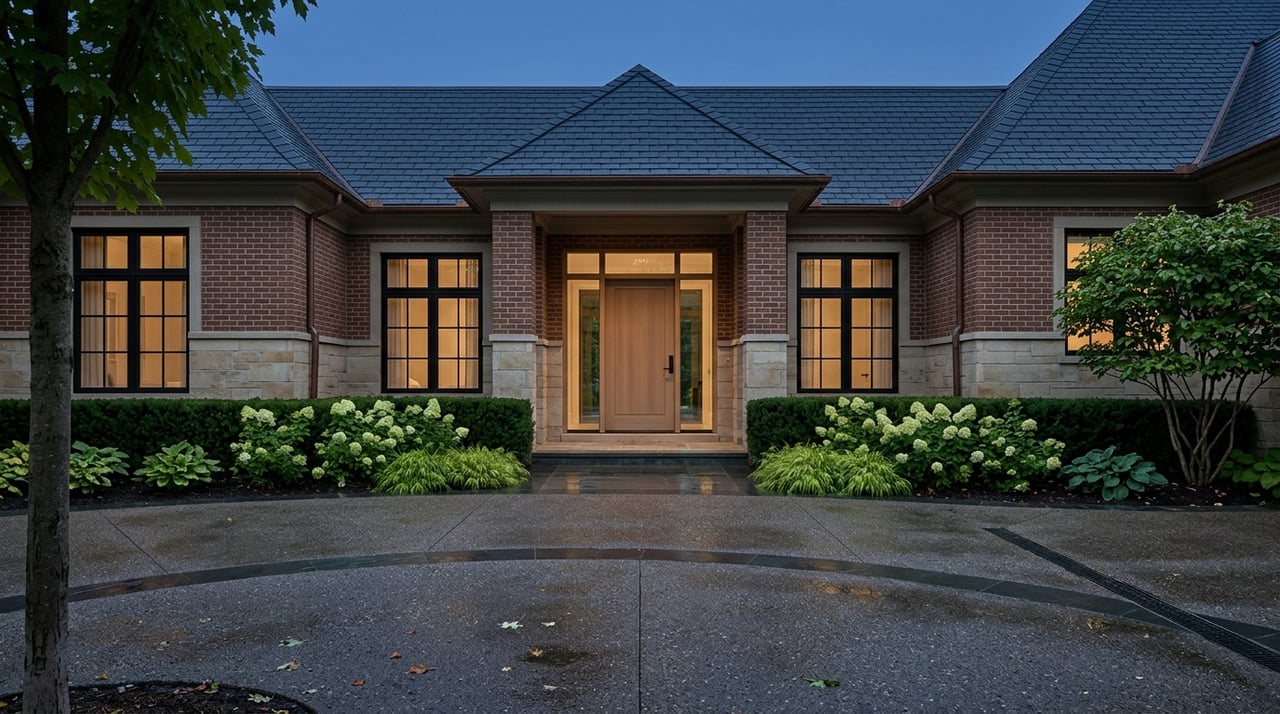
The Bridle Path is best understood as an estate setting, not a typical residential pocket. City heritage notices for nearby Lawrence Avenue East properties describe the area as a collection of grand estates built between 1920 and 1940, with generous setbacks, period-revival architecture, and a close relationship to ravine land, open space, and views.
That context matters when you sell. In this enclave, buyers are not only evaluating square footage and finishes. They are also weighing lot presence, privacy, landscape design, architectural character, and how the home sits within its natural surroundings.
This is why a one-size-fits-all launch can miss the mark. A Bridle Path property often needs a more tailored story, a more careful rollout, and a pricing strategy built around nuance rather than averages alone.
Pricing A Bridle Path Estate Carefully
One of the biggest challenges in the Bridle Path is pricing a home when there are very few true comparables. Even in active market periods, estate properties can differ widely in lot size, setbacks, views, renovation quality, and architectural pedigree.
Recent GTA numbers show why broad data should be used with care. In April 2026, TRREB reported 5,946 GTA home sales, up 7 percent year over year, while new listings fell 9.3 percent to 17,097. The average GTA home price was $1,051,969, and detached homes in Toronto’s 416 area averaged $1,668,973.
Those figures are useful for context, but they are weak proxies for one-of-one estate listings. TRREB also notes that its MLS Home Price Index is less volatile than average and median measures, which is another reminder that headline price points do not fully capture the value of a distinctive Bridle Path home.
What Smart Estate Pricing Looks Like
A strong pricing strategy usually starts with a detailed review of:
- Recent sales of high-value detached homes in comparable estate-style settings
- Lot dimensions, setbacks, and privacy features
- Architectural style and condition
- Ravine relationship, landscaped open space, and view corridors
- Renovation quality, mechanical upgrades, and turn-key readiness
- Current buyer sentiment and available competing inventory
The goal is not to chase attention with an inflated number or leave money on the table with a rushed list price. The goal is to position your estate so qualified buyers can see both its rarity and its value.
Preparing The Home Before It Goes Live
At this price point, buyers expect a property to feel well managed and well documented. Preparation is not just about aesthetics. It is also about reducing uncertainty.
A practical way to structure the process is to move through six stages: pre-list audit, presentation, documentation, launch, negotiation, and closing. For a Bridle Path estate, the pre-list audit often deserves extra attention because buyers are looking closely at the total condition of the home and grounds.
Key Pre-List Checks
Before launch, it is often wise to review:
- Roof condition
- Windows and doors
- Mechanical systems
- Landscaping and irrigation
- Pool systems
- Security systems
- Generator function
- Scope and quality of recent renovation work
This kind of review helps you present a turn-key impression where possible. It also helps avoid surprises during due diligence, when buyers may become more cautious if key systems are unclear.
Documentation Carries Real Weight
In a market segment like the Bridle Path, the listing file matters almost as much as the visuals. Serious buyers want clarity, and clean documentation can improve confidence early in the process.
Your file should usually include survey material, permit history, warranty information, and a clear list of chattels and exclusions. If the home has protected or registered heritage features, any related paperwork should also be assembled before the property is launched.
That heritage context can be especially relevant here. City notices in the area place importance on setbacks, ravine views, landscaped open space, and the relationship between buildings and setting. Those are not side details. They are part of the estate value story and should be reflected in the marketing and in buyer conversations.
Marketing With Privacy And Precision
For many Bridle Path sellers, more exposure is not always better exposure. A controlled, privacy-first campaign is often a better fit for the estate character of the neighbourhood and for the expectations of high-net-worth sellers.
That can mean focusing on qualified reach instead of broad public visibility. Rather than treating the home like a mass-market listing, the campaign can be built around discretion, relevance, and buyer quality.
What A Curated Launch Can Include
A more selective estate marketing plan may involve:
- Broker previews
- Appointment-only showings
- Vetted-buyer screening
- Selective photography and video
- Copy that highlights land, setting, and architectural significance without oversharing private details
This approach can help protect your household routine and privacy while still building demand. It also supports a more focused negotiation environment, where interest comes from buyers who understand the property type and price level.
What Global Reach Really Means
Global reach can be meaningful when it is used with intention. For a Bridle Path estate, the real value is often not random international exposure. It is access to relocation clients, cross-border referrals, and qualified out-of-market buyers who are already connected to trusted advisors.
That is where a network like Engel & Völkers can add practical value. The company states that it operates in more than 35 countries, with about 1,100 locations and 16,700 people. For a seller, that scale can support targeted introductions to an exclusive client base rather than a scattershot marketing push.
For Anita Springate-Renaud, this aligns with a relationship-first, high-touch approach. You are not simply placing a property online and hoping the right person appears. You are pairing local Bridle Path judgment with an international referral network that can surface qualified buyers beyond the immediate Toronto pool.
International Buyers Still Face Rules
Global marketing should always be matched with accurate screening. Not every international prospect can legally purchase residential property in Canada today, and that matters when you assess the strength of interest.
The federal ban on foreign ownership of Canadian housing has been extended to January 1, 2027. The federal government has stated that non-Canadian citizens and non-permanent residents remain prohibited from purchasing residential property in Canada, subject to limited exceptions.
Toronto also applies a Municipal Non-Resident Speculation Tax of 10 percent on the purchase price of certain residential properties, effective January 1, 2025. This tax applies in addition to Municipal Land Transfer Tax. For sellers, that means buyer qualification should include not just price and deposit, but also a realistic understanding of eligibility, tax exposure, and timing.
Closing Costs Can Shape Negotiations
At Bridle Path price points, closing costs are not minor details. They can materially affect how a buyer structures an offer and how quickly they can perform.
Toronto applies Municipal Land Transfer Tax on all property purchases in the city. The City also introduced graduated MLTT rates for high-value residential properties containing one or two single-family residences effective April 1, 2026.
Because the Municipal Non-Resident Speculation Tax is collected at registration and can apply in addition to MLTT, tax friction can influence both buyer confidence and offer terms. In practice, this is one reason estate negotiations need careful financial vetting, not just headline sale price analysis.
Why Offer Strength Is More Than Price
When you review offers on a significant property, it helps to look beyond the top number. Important factors may include:
- Buyer qualification and proof of funds
- Deposit strength
- Timing to close
- Tax and closing-cost readiness
- Conditions and due-diligence scope
- Whether the buyer understands heritage or property-specific issues
A calm, disciplined negotiation process helps you compare real certainty, not just initial enthusiasm.
Vacant And Heritage Issues To Address Early
Two practical issues can complicate the sale process if they are ignored: vacant-home status and heritage-related considerations.
If your home is vacant or only occupied part-time, Toronto’s Vacant Home Tax rules should be checked early. The City requires an annual declaration and states that a missed declaration can result in a bill on the assumption that the property was vacant.
If the home has heritage attributes, buyers should also understand what is protected and what future alterations may require review. In the Bridle Path context, the conversation may include estate typology, open space, ravine setting, setbacks, and views, because those elements are often part of the property’s recognized cultural value.
A White-Glove Estate Sale Process
Selling an estate home in the Bridle Path calls for more than polished photography and a luxury label. It requires pricing discipline, strong preparation, careful documentation, discreet exposure, and negotiations grounded in real buyer qualification.
When those pieces work together, you give your property the best chance to stand out for the right reasons. You also create a smoother path from launch to closing, with fewer surprises along the way.
If you are preparing to sell a distinguished home in the Bridle Path, working with an advisor who combines local estate-market fluency with discreet global reach can make the process more focused and more effective. To start that conversation, connect with Anita Springate-Renaud.
FAQs
How do you price a Bridle Path estate with few comparable sales?
- A Bridle Path estate is usually priced by looking beyond broad averages and focusing on lot size, setbacks, privacy, architecture, condition, landscape, views, and current competing inventory.
Is a private launch better than a public listing for a Bridle Path home?
- For many Bridle Path properties, a private or highly controlled launch can be effective because it protects privacy and targets qualified buyers through previews, appointments, and screening.
Can international buyers purchase a Bridle Path home in Toronto?
- Some can, but current federal rules restrict many non-Canadian citizens and non-permanent residents from buying residential property in Canada, subject to limited exceptions.
What Toronto taxes matter most to Bridle Path buyers?
- Buyers should account for Toronto’s Municipal Land Transfer Tax, and some non-resident buyers may also face the Municipal Non-Resident Speculation Tax in addition to MLTT.
Does vacant-home status affect selling a Bridle Path property?
- Yes. If the property is vacant or intermittently occupied, the City of Toronto’s Vacant Home Tax declaration should be handled correctly before and during the sale process.
Does heritage status change the sale process for a Bridle Path estate?
- It can. If a property has heritage-related attributes or protections, buyers should understand what is recognized and whether future alterations may require review.