If you are drawn to the idea of living somewhere that feels both established and deeply connected to nature, Rosedale stands apart. This is a part of Toronto where heritage homes, winding streets, and ravine access shape daily life in a very real way. If you are considering a move, selling a distinguished property, or simply trying to understand what makes the area so enduring, this guide will help you see how Rosedale’s architecture and landscape work together. Let’s dive in.
Why Rosedale Feels Different
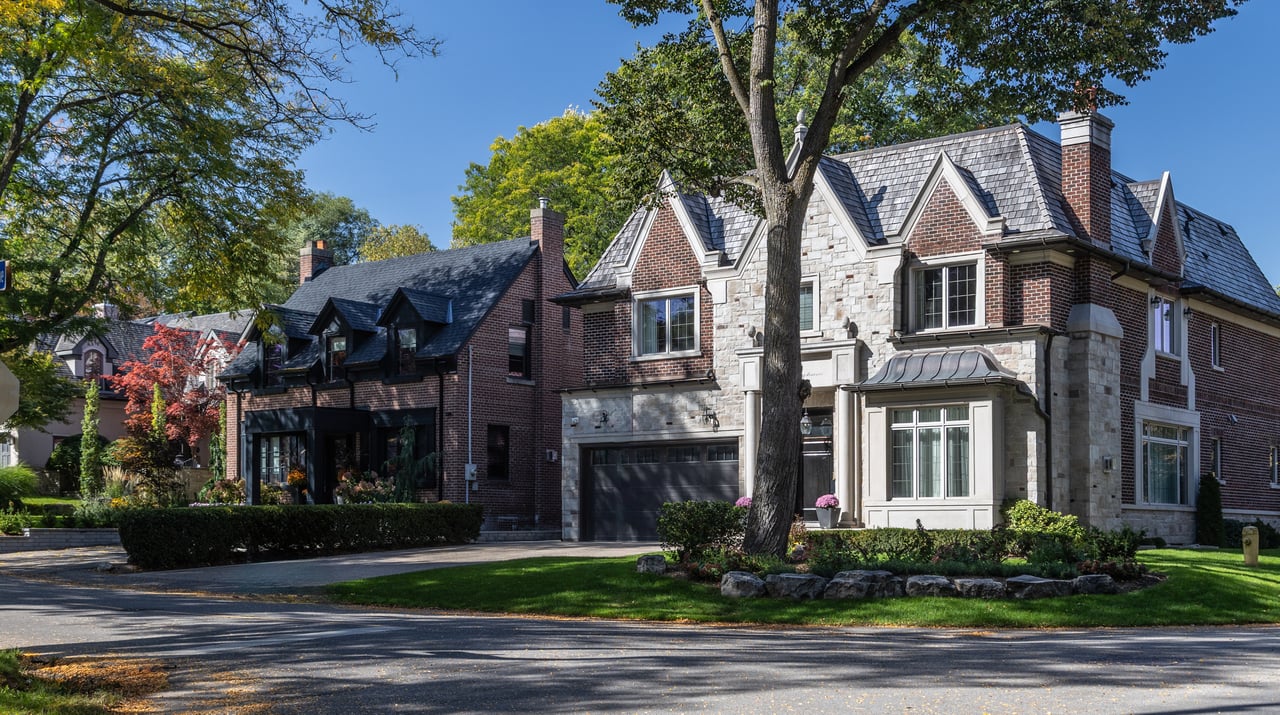
Rosedale is not defined by one feature alone. The City of Toronto describes it as an early picturesque suburb with curving streets, mature tree canopy, park-like lots, and housing that dates largely from the 1880s to the 1930s. In both South and North Rosedale, the broader identity comes from the relationship between the homes, the street pattern, and the ravine landscape.
That matters when you are evaluating the neighbourhood as a place to live or invest in. In Rosedale, the setting is part of the value. The streetscape, lot pattern, and natural edges create a sense of calm that feels rare so close to downtown.
Heritage Homes Shape The Streetscape
Rosedale’s housing stock is one of the main reasons buyers are drawn to the area. Much of the neighbourhood is more than 80 years old, and the City notes that a large share of it remains intact. That continuity gives the area a cohesive character, even though the homes themselves span multiple architectural styles.
For buyers, this means you are not looking at a neighbourhood with one uniform look. You are looking at a layered architectural story, with each period adding something distinct to the streetscape.
South Rosedale Architecture
South Rosedale includes some of the area’s earliest estate homes. According to the City’s heritage study, styles include late Georgian and Regency, followed by high Victorian homes and later Arts and Crafts, Edwardian, Georgian Revival, and English Cottage influences.
The period from 1901 to 1920 is especially characteristic of South Rosedale. Whole streets from that era remain, which helps explain why the neighbourhood feels so visually complete. The homes are varied, but the overall impression is still harmonious.
North Rosedale Architecture
North Rosedale adds another layer to the story. The City’s plan identifies Edwardian Classicism as a dominant style in the early 20th century, with Arts and Crafts homes throughout and later Tudor and Georgian forms appearing in the interwar years.
The area also includes reduced modern forms, Art Deco and Art Moderne influences from the 1930s and 1940s, plus some postwar ranch homes and later modern and post-modern houses. Defining features include brick and stone masonry, porches, bay windows, varied rooflines, larger-than-average lots, and a leafy canopy.
Ravines Are Part Of Daily Life
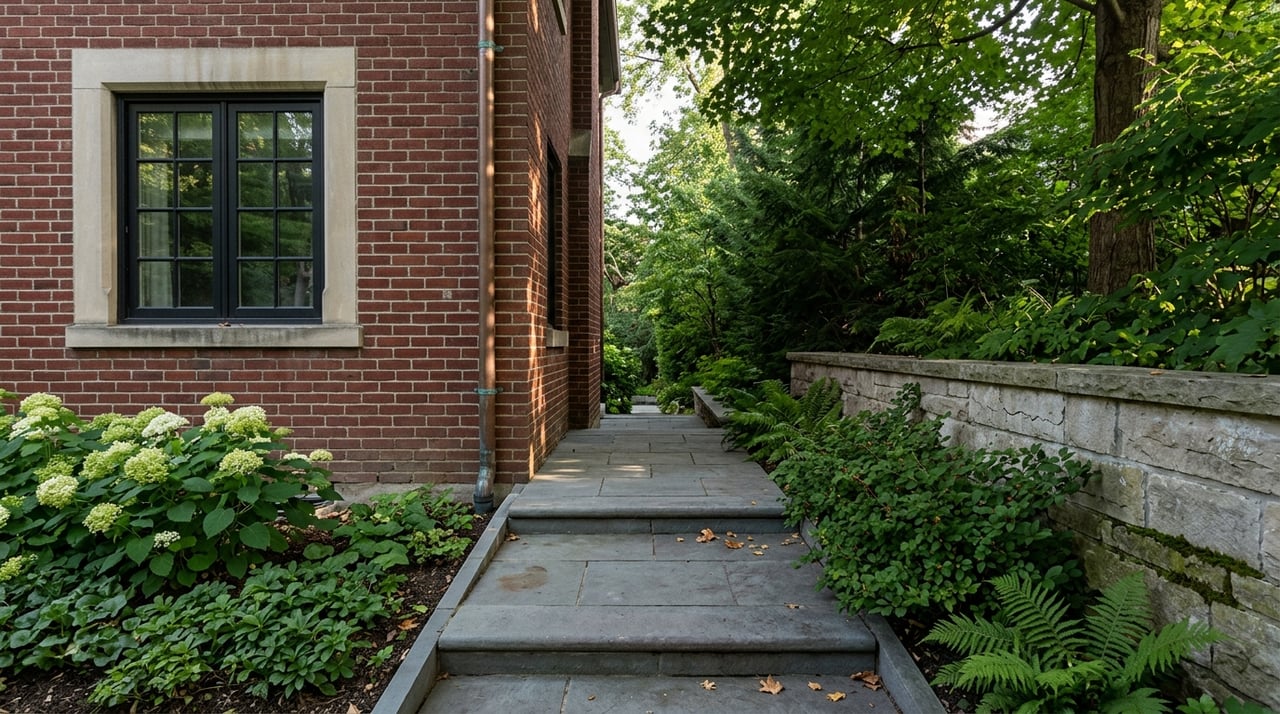
In many neighbourhoods, green space is a bonus. In Rosedale, it is part of the structure of the neighbourhood itself. The area developed between major ravines, and that natural framework still shapes how the neighbourhood looks, feels, and connects to the city.
Toronto’s ravines are part of the city’s natural heritage network and are protected through the Official Plan, zoning, and the Ravine and Natural Feature Protection By-law. That protection helps preserve the landscape that gives Rosedale so much of its identity.
Trails And Everyday Access
One of the clearest examples of this connection is Milkman’s Lane. The City describes it as a gravel trail that has existed for more than 130 years, linking Rosedale to the Don Valley trail network and Don Valley Brick Works Park. It is used by hikers, joggers, cyclists, and dog walkers, which shows how the ravine is woven into everyday routines.
The Rosedale Valley Road Multi-Use Trail is another key local route. It runs from Bayview Avenue to Park Road and connects spaces including St. James Cemetery, Wellesley Park, Toronto Necropolis Park, Rekai Family Parkette, and Lawren Harris Park. The City has also been upgrading this trail and improving access connections.
Parks That Add Function
David A. Balfour Park is a good example of how public investment supports the ravine setting. The City notes improvements that include expanded gardens, more than 250 newly planted trees and shrubs, accessible multi-use trails, lighting, benches, picnic tables, washrooms, dog bowls, historical plaques, and a community lending library.
These are not small details. They show that living near the ravine is not only about scenery. It is also about having meaningful, usable public spaces that support walking, quiet time, and day-to-day enjoyment.
What The Topography Means For You
Rosedale’s natural setting comes with practical implications. The ravine landscape creates beautiful views, mature greenery, and a sense of separation from the pace of the city. At the same time, it means some routes involve slopes, elevation changes, stairs, and bridge connections.
For some buyers, this is part of the appeal. For others, it is something to think through carefully during a home search. Your experience of the neighbourhood may depend on how often you walk, cycle, or rely on specific access points.
Access And Circulation
The Glen Road Pedestrian Bridge, also known as the Morley Callaghan Footbridge, is one example of how important these connections are. It spans the Rosedale Valley Ravine and links Rosedale with the area south of Bloor Street East. City infrastructure work in this area highlights how central these crossings are to movement through the neighbourhood.
If you are comparing homes within Rosedale, small differences in position can matter. A property closer to a trail connection, park entrance, or easier grade may feel very different in daily use than one on a steeper stretch.
Heritage Rules Matter For Owners
If you are buying or selling in Rosedale, heritage status is not a side note. Both South and North Rosedale are listed by the City as heritage conservation districts. That means the neighbourhood’s character is protected through a formal planning framework.
The City states that owners of properties designated under the Ontario Heritage Act require a heritage permit before making changes. For properties in a Heritage Conservation District, alterations or demolitions are reviewed through Toronto Building and Heritage Planning.
What Buyers Should Keep In Mind
If you love the idea of owning a heritage home, it helps to go in with clear expectations. Exterior changes may require review, and compatibility with the surrounding streetscape is an important consideration. This does not mean a home cannot evolve, but it does mean changes are approached with more care.
For buyers, that calls for diligence early in the process. If you are considering updates, additions, or exterior alterations, you will want to understand the review framework before you commit.
What Sellers Should Keep In Mind
For sellers, heritage context can be a strength when presented properly. Buyers are often responding to the integrity of the setting as much as the house itself. The story of the home, its place within the streetscape, and its relationship to the ravine landscape can all support strong positioning.
That said, thoughtful preparation matters. Clear documentation, realistic expectations around future changes, and a measured marketing strategy can help attract the right buyer and reduce uncertainty.
Why Rosedale Appeals To Different Buyers
Rosedale can appeal to more than one type of buyer because it offers both beauty and substance. Some people are drawn to the heritage architecture and the sense of permanence. Others are drawn to the green escape, the trail access, and the unusual quiet so close to the city core.
For relocation buyers, the neighbourhood often stands out because it feels established right away. For long-time Toronto owners considering a move within the city, it can offer a rare combination of legacy housing stock and everyday connection to nature.
The Value Of Local Guidance
In a neighbourhood like Rosedale, details matter. Architectural style, heritage context, lot positioning, ravine access, and topography all shape how a property lives and how it should be evaluated. Two homes may look comparable on paper but feel quite different once you consider the block, the grade, and the relationship to the surrounding landscape.
That is where careful, local advisory work makes a difference. Whether you are buying or preparing to sell, a thoughtful strategy helps you weigh not just the property itself, but how it fits into the broader character of Rosedale.
If you are thinking about buying or selling in Rosedale, working with an advisor who understands heritage context, neighbourhood nuance, and discreet execution can help you move with confidence. To start the conversation, connect with Anita Springate-Renaud.
FAQs
What makes Rosedale heritage homes distinctive in Toronto?
- Rosedale’s heritage homes are distinctive because they sit within a preserved landscape of curving streets, mature trees, park-like lots, and ravine edges, with styles ranging from Georgian and Victorian to Edwardian, Arts and Crafts, Tudor, and later modern forms.
What should buyers know about heritage rules in Rosedale?
- Buyers should know that both South and North Rosedale are heritage conservation districts, and the City of Toronto reviews certain alterations or demolitions, while designated properties may require a heritage permit before changes are made.
What ravine trails are accessible from Rosedale?
- Notable local connections include Milkman’s Lane, which links to the Don Valley trail network and Don Valley Brick Works Park, and the Rosedale Valley Road Multi-Use Trail, which connects several nearby parks and public spaces.
How does Rosedale topography affect daily life?
- The ravine setting adds beauty and greenery, but it can also mean slopes, stairs, elevation changes, and reliance on specific trail or bridge connections for walking and cycling access.
Why do sellers benefit from understanding Rosedale’s heritage context?
- Sellers benefit because buyers often value the home’s architectural character, its place within the streetscape, and its relationship to the ravine landscape, so thoughtful positioning and preparation can make the property’s value clearer.