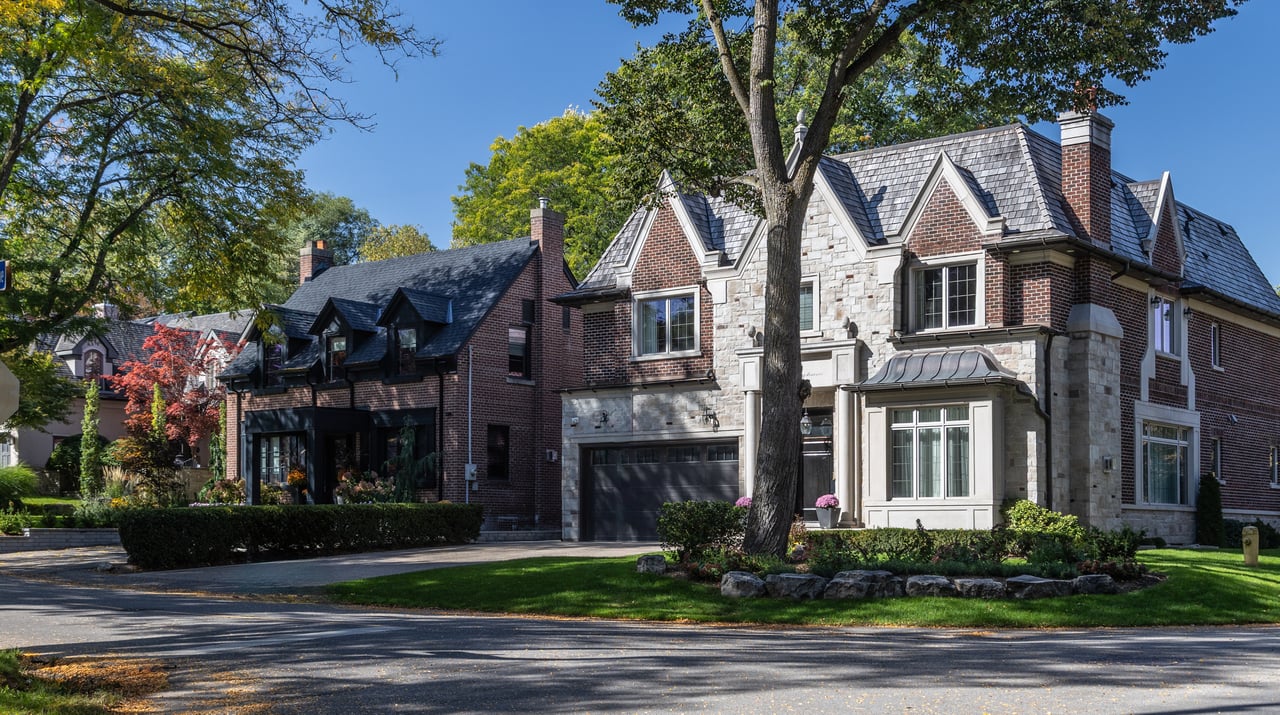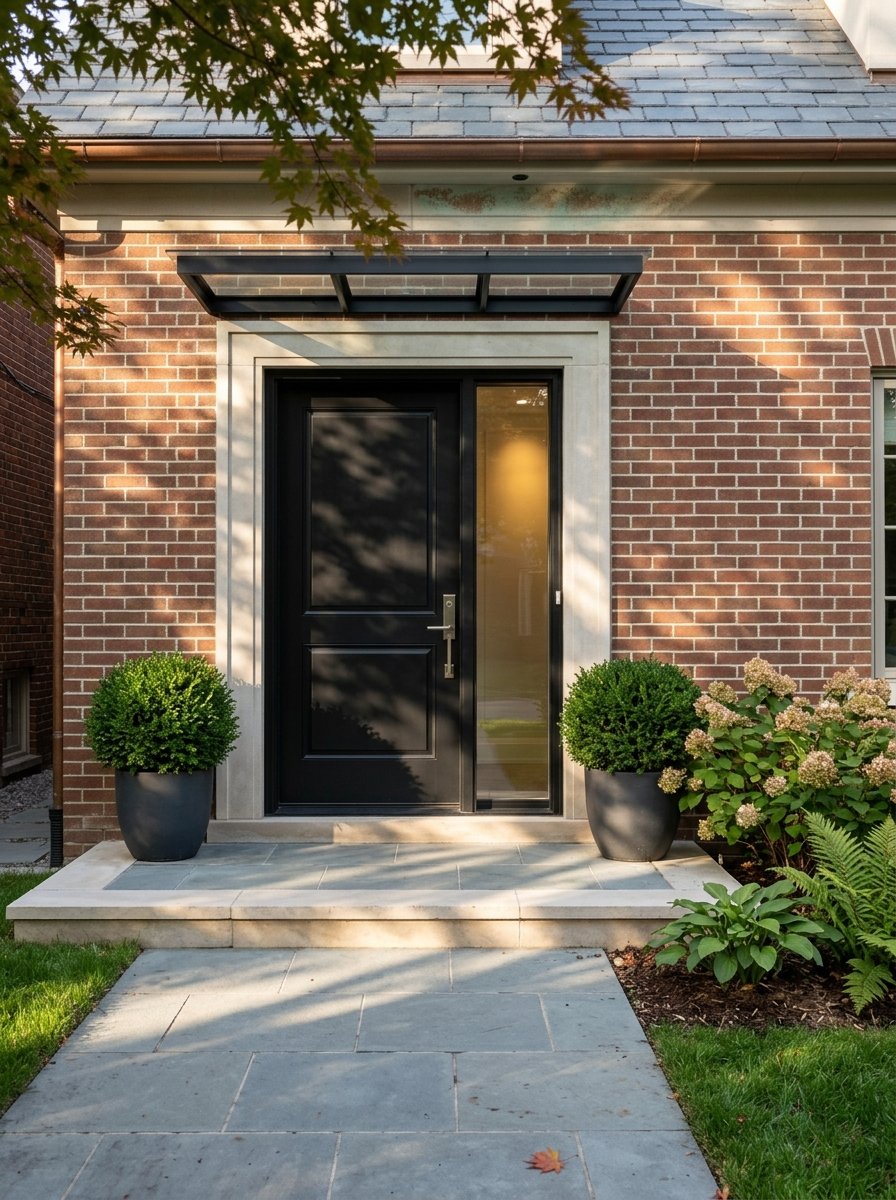
If you want to sell your Forest Hill home without turning it into a public event, you are not alone. Many sellers in this part of Toronto want strong results, careful presentation, and as little disruption as possible. The good news is that a quiet sale does not mean a low-impact sale if you prepare properly from the start. Let’s look at how to get your home ready in a way that protects privacy while still making a strong impression.
Why Forest Hill prep matters
Forest Hill is not a one-note market, and that matters when you are planning a sale. The City of Toronto identifies Forest Hill South and Forest Hill North separately, and both have a high share of detached homes, with 53% single-detached homes in Forest Hill South and 49% in Forest Hill North. Forest Hill South also has a large share of homes built before 1960, according to the same city data.
That mix can create opportunity, but it also means presentation needs to be specific to your home. The City’s Forest Hill Village planning review notes that the surrounding residential area includes single- and semi-detached houses, townhouses, and walk-up apartment buildings. In other words, your sale strategy should be built around your property’s condition, layout, and buyer appeal, not just the Forest Hill name.
Start with your privacy level
Before you paint a wall or book a photographer, decide how private you want the sale to be. This choice affects your timeline, your marketing plan, and how buyers are reached.
Under CREA’s REALTOR® Cooperation Policy, once a residential property is publicly marketed, it must be placed on an MLS® System. Public marketing includes one-to-many tactics like yard signs, flyers, digital advertising, and newsletters.
That same policy also confirms that exclusive listings remain an option for sellers who want less public exposure. These can still be shared within the listing brokerage or through one-to-one direct communication with other REALTORS®. If your goal is discretion, that decision should happen first, because it shapes everything that follows.
Finish all prep before launch
In a quieter sale, preparation carries even more weight because you may have fewer chances to make a first impression. It is usually better to complete the work before the home is shown rather than going live while projects are still unfinished.
That approach fits current market conditions. In TRREB’s February 2026 Market Watch, GTA home sales were down 6.3% year over year, new listings were down 17.7%, and the MLS® HPI composite benchmark was down 7.9% year over year. TRREB also noted that if new listings keep trending lower through spring, buyer competition could rise, which makes a polished launch even more important.
For most Forest Hill homes, the smartest pre-market work is selective rather than excessive. Focus on visible wear, paint touch-ups, refreshed lighting and hardware, floor or millwork repairs, and tidy landscaping. The goal is to remove friction for buyers without making the home feel like it is in the middle of a major renovation story.
Keep records of every upgrade
A polished home is important, but accurate information matters just as much. If you plan to mention updates or improvements in marketing, you should have the paperwork to support them.
RECO warns that Ontario agents must take steps to verify listing information, including claims about upgrades or renovations. In its guidance on inaccurate listing information, RECO makes clear that unsupported claims can create real problems. Before launch, organize invoices, permits, warranty details, and a clear list of completed work.
This step is especially useful in a discreet sale. When buyer access is limited, your documentation helps answer questions quickly and keeps the process orderly.
Stage the rooms buyers notice first
You do not need to stage every corner of the home to create impact. In many occupied houses, that is not practical anyway.
According to the 2025 Profile of Home Staging Snapshot, 83% of buyers’ agents said staging made it easier for buyers to visualize a property as a future home. The most commonly staged rooms were the living room, primary bedroom, and dining room.
That gives you a useful priority list. In a Forest Hill home, focus first on the main spaces that shape how the home feels: the living room, primary bedroom, dining room, and any office or family area that supports everyday use. If the property is occupied, decluttering and editing are often more valuable than trying to fully furnish every space.
Make the home camera-ready
A quiet sale still needs strong visuals. Even if showings are limited, buyers often form their first impression online or through a private digital presentation.
NAR’s 2025 buyer trends data found that 83% of buyers who used the internet rated photos as very useful, 57% rated floor plans as very useful, and 41% rated virtual tours as very useful. RECO also notes that agents can market a home through photographs, videos, and virtual tours.
For you, that means the home should be fully camera-ready before marketing begins. Window coverings, personal items, extra furniture, cords, countertop clutter, and worn accessories all stand out more in professional media than they do in daily life.
If the home is vacant or partly vacant, virtual staging may help buyers understand room flow without requiring a full furniture installation. If the home is occupied, a lighter staging approach with edited furnishings and clear sightlines often creates the strongest result.
Build a controlled showing process
Discretion is not only about where the home appears. It is also about how access is handled.
RECO’s Information Guide says registrants can help sellers with showings, marketing, and vetting offers and potential buyers to help confirm they can afford the property. The guide also explains that confidential information cannot be shared outside the brokerage without written consent.
In a private or tightly managed sale, that supports a more controlled workflow. You can set written instructions around who may see the property, how appointments are booked, who may contact you, and what information may be shared. Centralized communication helps reduce confusion and keeps the process more secure.
RECO also stresses the importance of verifying identity and asking qualifying questions when something seems off. For a Forest Hill seller who wants to avoid casual curiosity showings, that is a practical safeguard, not just a formality.
Follow a simple prep sequence
A quiet, high-impact sale usually works best when the steps happen in the right order. If you rush to market before the details are complete, you can lose momentum fast.
A strong sequence looks like this:
- Choose the privacy approach: full MLS exposure, a more limited public approach, or exclusive/private marketing, based on your goals and CREA rules.
- Complete the prep list: repairs, decluttering, paint touch-ups, lighting updates, landscaping, and documentation for any improvements.
- Stage key rooms: prioritize the living room, primary bedroom, dining room, and other lifestyle-defining spaces.
- Create the media package: professional photos, floor plan, video, and virtual tour if appropriate.
- Set showing protocols: confirm how buyer inquiries, appointments, and communication will be handled.
- Review feedback and adjust: watch how buyers respond to presentation, pricing, and access, then refine quickly if needed.
Presentation and pricing still work together
Even the most discreet campaign needs the right pricing and presentation discipline. If buyers feel uncertainty about value or see unfinished details, privacy alone will not protect the result.
Current GTA conditions suggest buyers are still weighing options carefully. TRREB’s latest figures point to price sensitivity and meaningful buyer choice, which means your home has to look ready, feel easy to understand, and enter the market with a clear strategy.
That is why a quiet sale works best when it is deliberate, not passive. The goal is not simply to be less visible. The goal is to be fully prepared, carefully positioned, and shown only when the home is ready to stand up to scrutiny.
If you are considering a discreet sale in Forest Hill, the right preparation can help you protect both privacy and value. A calm, well-managed process often leads to better buyer confidence and smoother negotiations. If you would like tailored guidance on timing, preparation, and a private marketing strategy, connect with Anita Springate-Renaud.
FAQs
What does a quiet home sale mean in Forest Hill?
- A quiet sale usually means limiting broad public exposure and using a more controlled marketing and showing process, which may include exclusive listing options depending on your goals.
What should you fix before selling a Forest Hill home?
- Focus on visible wear such as paint touch-ups, lighting and hardware updates, floor or millwork repairs, and landscaping improvements that make the home feel well cared for.
Which rooms matter most when staging a Forest Hill house?
- The living room, primary bedroom, and dining room are the top priorities, with family or office spaces added if they strongly affect how buyers understand the home.
Can you market a Toronto home privately without MLS?
- Yes, but under CREA policy, once a property is publicly marketed through one-to-many channels, it must be placed on an MLS® System.
Why are photos and floor plans important in a discreet sale?
- They help buyers understand the home before booking a showing, and buyer research shows that photos, floor plans, and virtual tours remain highly useful even when the marketing approach is more private.
What information should you gather before listing a Forest Hill property?
- You should organize invoices, permits, warranties, and notes on completed upgrades or renovations so the property can be marketed accurately and questions can be answered quickly.