What does a typical day feel like in Lawrence Park? Picture quiet, tree-lined streets, a quick stop for coffee on Yonge, and a late-afternoon walk through a ravine trail that feels a world away from midtown. If you want calm residential living with easy access to schools, parks, and transit, this garden-suburb delivers. In this guide, you’ll get a clear sense of the homes, streets, and daily rhythm that define Lawrence Park, plus practical buyer notes to help you plan your move. Let’s dive in.
Lawrence Park at a glance
Lawrence Park was conceived in the early 20th century as a planned garden suburb. The idea was simple and enduring: generous lots, a mature tree canopy, and preserved ravine parkland that shape a quieter style of city living. The neighbourhood is often described in two parts, Lawrence Park North and Lawrence Park South, but residents experience it as one connected community with a green, residential heart and a busier commercial edge along Yonge Street. For a concise local history and boundaries, the Lawrence Park Ratepayers’ Association is a helpful reference.
City neighbourhood profiles show why Lawrence Park reads as an established, premium area. Lawrence Park North has a high share of single-detached houses and owner-occupied homes, with a 2016 median household income near $144,963 (mean $222,786), according to the City of Toronto profile. Lawrence Park South reports a similar housing mix and a 2016 median household income near $151,885 (mean $344,703), per the City’s profile.
Homes and architecture
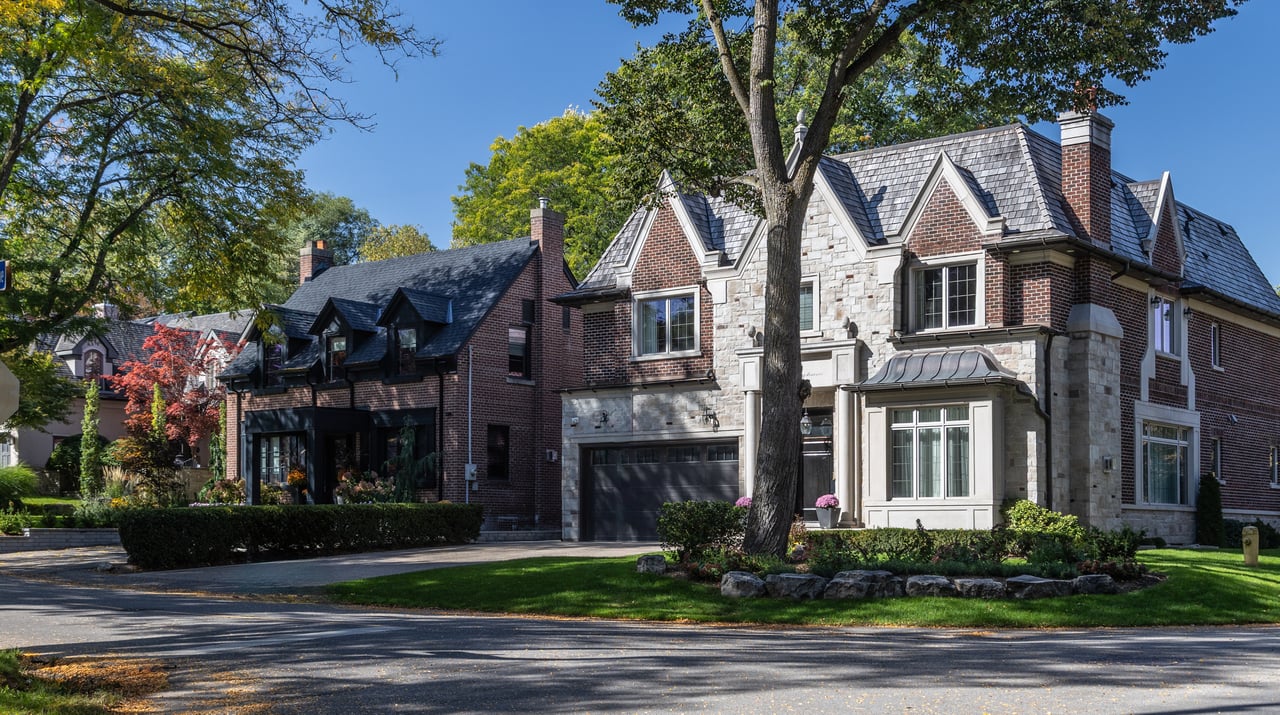
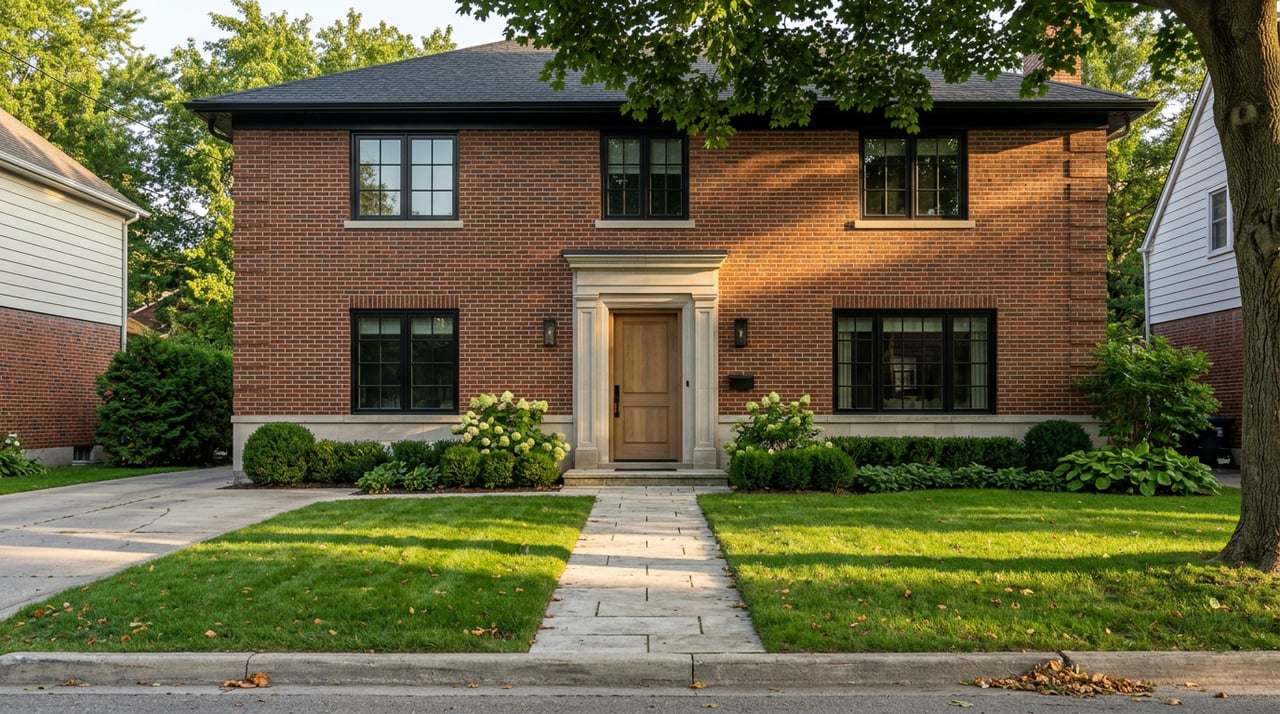
If you love period character, you will recognize it here. Many homes were built between the 1910s and 1950s, with a strong presence of English Cottage and Tudor Revival, Georgian, and other early 20th‑century revival styles. Over the past two decades, careful renovations and larger custom rebuilds have added contemporary family estates to the mix, creating a blend of century homes and modern designs on the same streets. The City’s neighbourhood profiles confirm the dominance of ground-related housing and a large pre-1960 stock, which helps explain the classic façades and mature landscaping you see on a walk through the area. Review the City’s data for Lawrence Park North and Lawrence Park South for a baseline.
Lots tend to be generous for midtown. Deep setbacks, garages tucked away from the street, and well-kept front gardens all support the neighbourhood’s calm, residential feel. You will find both carefully maintained century homes that preserve original millwork and stonework and larger infill builds that emphasize light, space, and indoor-outdoor living.
Streets and block pattern
Lawrence Park’s plan mixes straight avenues with winding crescents and circles. This layout reduces through traffic and orients many streets toward the ravine edges. The result is a network of long, quiet residential blocks and lush, shaded sidewalks. You can read more about the original subdivision pattern and garden-suburb concept in the LPRA’s history summary.
Parks, ravines, and outdoor life
Green space shapes daily life here. At the Yonge and Lawrence edge, Alexander Muir Memorial Gardens offers a formal, multi-level garden that serves as a neighbourhood gateway and a favorite spot for photos and quiet walks. Explore the City’s overview of its public gardens, including Alexander Muir, on the official parks page.
Follow the paths south and east and you connect into the Burke Brook and Sherwood Park ravine system, part of a longer Discovery Walk. These trails give you a leafy corridor for running, dog-walking, or a weekend family loop. The City’s Northern Ravines and Gardens route map is a great way to visualize these connections and plan a morning or after-dinner stroll. See the route map for details.
If you are considering a ravine-edge property, factor in the benefits and responsibilities. Ravine views and privacy are appealing, and they often come with conservation rules, tree protections, and slope maintenance considerations. A good due diligence plan checks municipal regulations early in the process and gets clarity on any restrictions before you commit.
The Yonge–Lawrence daily rhythm
For day-to-day errands and casual meals, the Yonge Lawrence Village BIA is the local main street. You will find cafés and bakeries for morning coffee, independent retailers and services for the weekly list, and seasonal sidewalk events that bring neighbors out to mingle. It is a compact, walkable strip that keeps the commercial energy on Yonge and leaves the inner streets quiet. Explore events and business highlights through the Yonge Lawrence Village BIA.
A typical weekday might look like this: grab a coffee, do the school run, then walk the dog through a ravine path. Evenings often mean a quick dinner on Yonge or a workout or swim at a nearby club, with weekends set aside for longer park walks or kids’ activities. Larger amenities like the Granite Club and Sunnybrook Health Sciences Centre sit a short drive away, which many families and older buyers value for recreation and healthcare access.
Schools and community
School options are a key part of Lawrence Park’s family appeal. Local public elementary choices include Bedford Park Public School and Blythwood Junior Public School, with Lawrence Park Collegiate among the secondary options. The LPRA’s schools page lists commonly referenced public and private choices and is a helpful starting point.
Catchments and program availability can change. Always verify with the official Toronto District School Board tools before you make a decision or write an offer. Start with the TDSB’s school pages, such as the Blythwood Junior PS page, then use the board’s lookup resources for current boundaries and program details.
Transit and commute
Most residents rely on Lawrence Station on Line 1 for the daily commute. From there you have a direct subway ride south to downtown and straightforward bus connections for east-west travel along Lawrence and nearby routes. For a neighbourhood view on ongoing mobility planning, the City’s project portal includes the Lawrence Park Transportation Plan.
There have been entrance and bus-bay closures at Lawrence Station as part of TTC accessibility improvements. These projects enhance long-term access but can shift walking routes and transfer points during construction. It is smart to check current entrance status and wayfinding updates before planning your routine. Recent reporting summarized these changes in a station access update.
Buyer notes for Lawrence Park
A few practical checks can help you buy with confidence:
- Trees and lot lines. Mature trees add beauty and shade. Confirm municipal tree protection rules and get arborist input if you plan major landscaping or additions. The neighbourhood’s garden-suburb heritage is documented by the LPRA.
- Ravine and slope conditions. Ravine-adjacent lots can involve conservation rules, drainage, and slope stability considerations. Review the City’s Northern Ravines and Gardens route map and speak with your advisor about due diligence.
- Heritage and streetscape. Many original façades remain. You will also see permit-backed infill and expansions. Understanding where a home sits within that context can guide renovation plans and resale expectations. The LPRA history overview offers helpful background.
- School catchments. Verify boundaries and program availability directly with the TDSB. Start with official school pages like Blythwood Junior PS and use the board’s lookup tools.
- Market tone and comparables. Lawrence Park is perceived as a premium neighbourhood. For pricing and timing decisions, rely on recent comparables and live market reports rather than old averages.
Is Lawrence Park right for you?
Choose Lawrence Park if you value calm streets, a mature tree canopy, and strong connections to parks and everyday services. The housing stock ranges from classic period homes to new custom builds, so you can find a property that fits your taste and renovation appetite. Transit access and the Yonge-Lawrence Village keep daily routines efficient without giving up that quiet, residential feel.
If you are buying from out of town, relocating for work, or planning a thoughtful sale of a long-held home, you will benefit from a clear plan and precise comparables. A measured approach to due diligence, from tree protections to catchments to ravine policies, helps you make confident decisions and protect long-term value.
Ready to explore homes that match your goals in Lawrence Park? Reach out to Anita Springate-Renaud for discreet, step-by-step guidance and a plan tailored to you.
FAQs
What defines Lawrence Park’s character in Toronto?
- It is an early 20th‑century garden suburb with generous lots, preserved ravines, and quiet residential streets, outlined by the Lawrence Park Ratepayers’ Association.
Are there parks and ravine trails near Lawrence Park homes?
- Yes. Alexander Muir Memorial Gardens anchors the west edge and links to the Burke Brook and Sherwood ravine trails, highlighted on the City’s public gardens page and Northern Ravines route map.
What types of homes are common in Lawrence Park?
- Mostly ground-related houses, with a large share of single-detached homes built pre-1960 in Tudor, Georgian, and other period styles, plus contemporary custom infill, per the City’s neighbourhood profiles.
How do school options work in Lawrence Park?
- Public choices include Bedford Park PS, Blythwood Junior PS, and Lawrence Park Collegiate; verify exact boundaries and programs via the TDSB’s official tools, starting with pages like Blythwood Junior PS and the LPRA schools list.
How do residents commute from Lawrence Park to downtown Toronto?
- Most use Lawrence Station on Line 1 for a direct subway south, with bus links for east-west trips; check current entrance changes due to accessibility work via the City’s transportation plan portal and this station access update.
What should buyers check on ravine-edge properties in Lawrence Park?
- Expect conservation rules, tree protections, and slope considerations; start with the City’s Northern Ravines route map and consult your advisor for site-specific due diligence.