If you picture Toronto living as busy sidewalks, tight lots, and constant movement, The Bridle Path offers a very different rhythm. This is a part of the city where space, greenery, and a quieter daily pace shape how you experience home. If you are wondering what everyday life here really feels like, this guide will walk you through the landscape, setting, and lifestyle patterns that define the neighbourhood. Let’s dive in.
What Makes The Bridle Path Distinct
The Bridle Path is a residential neighbourhood in Toronto that developed from the 1930s through the 1960s. According to the City of Toronto, it is known for large homes, generous lots, and a setting framed by the Don River Valley and surrounding parkland.
The neighbourhood sits east of Bayview Avenue, west of Windfields Park and Edwards Gardens, north of Sunnybrook Park, and northeast of the Don River. That geography matters because it helps explain why the area feels so shaped by landform and greenery rather than by a tight urban street grid.
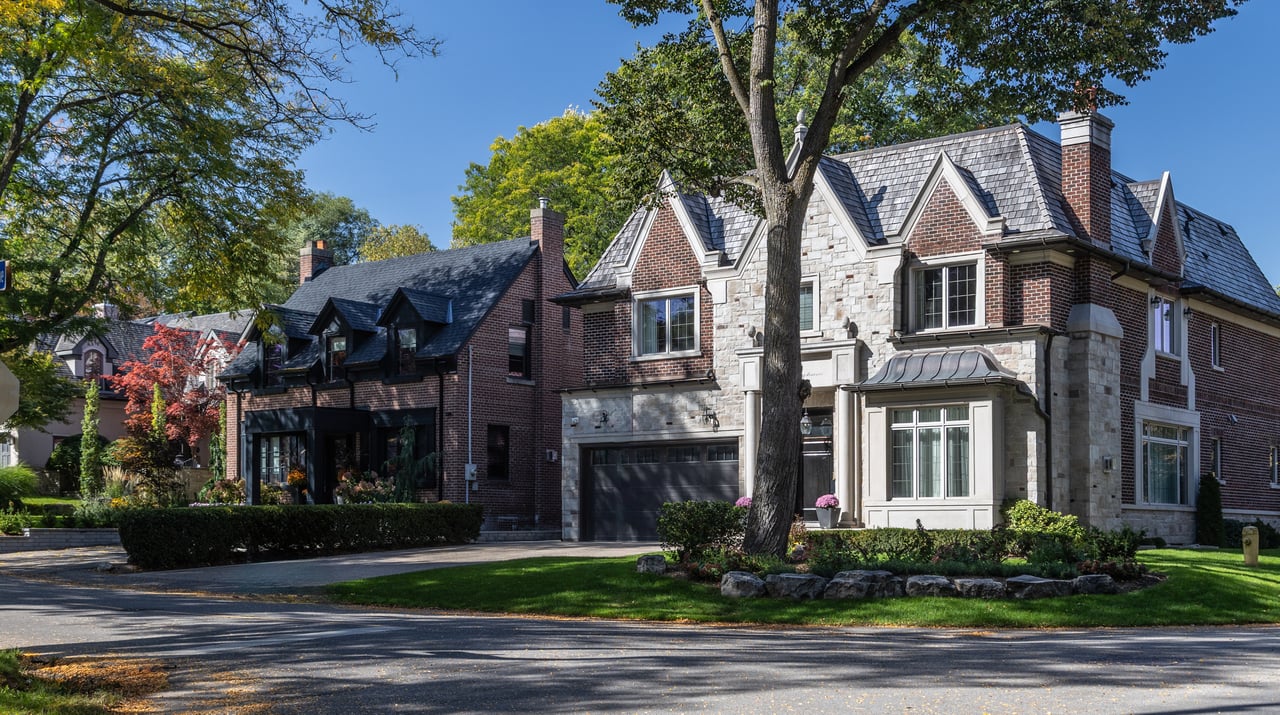
A City heritage report also notes that the area around Bayview and Lawrence was influenced by estate development and local topography. Streets in this part of Toronto do not always follow the standard grid, and many properties include detached homes on large lots with substantial setbacks from the road.
Space Shapes Daily Living
One of the clearest features of everyday life in The Bridle Path is the sense of physical space. Homes are generally detached, and the planning context points to larger parcels and deeper setbacks than you would find in many denser Toronto neighbourhoods.
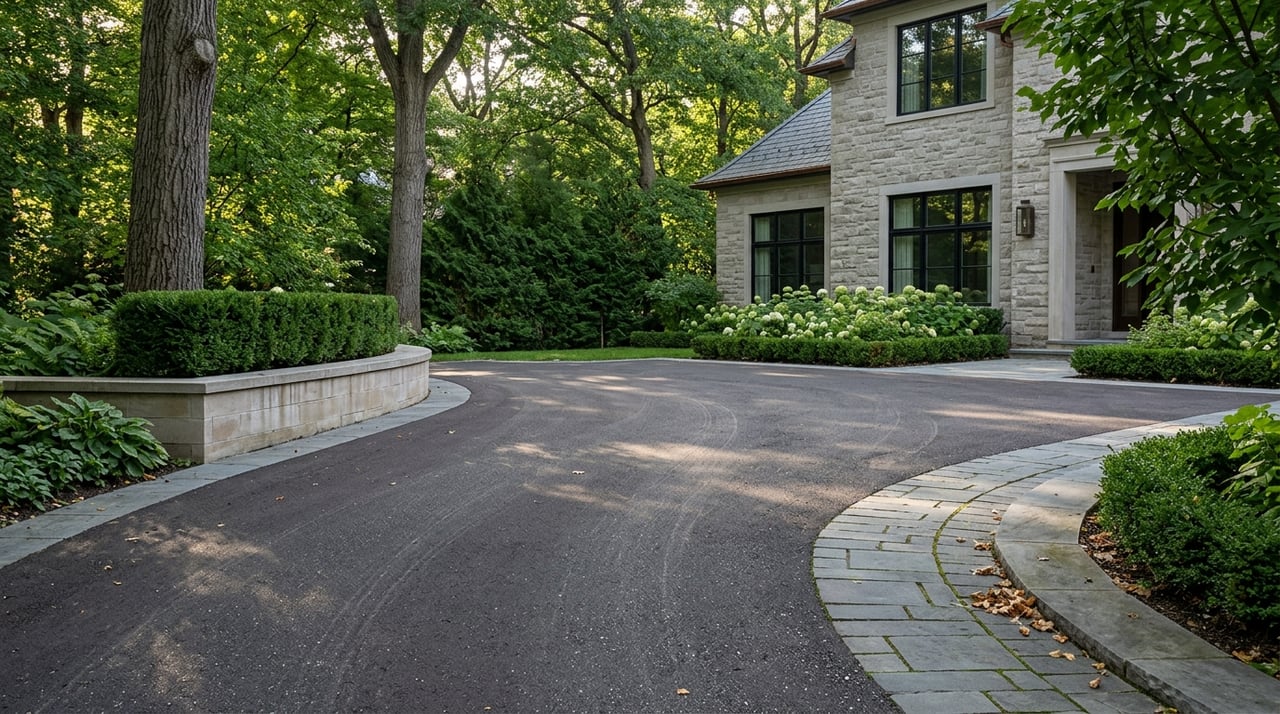
That changes how the neighbourhood feels as you move through it. Instead of row after row of closely spaced homes, the area is more defined by private grounds, driveways, landscaped frontages, and long views across lots and tree cover.
In practical terms, that often means your day begins and ends in a setting that feels more removed from the city’s usual pace. Even though you are still in Toronto, the built form creates a noticeably calmer visual environment.
Large Lots Create Separation
The City’s heritage material describes detached houses on large lots with generous setbacks. In some cases, lot depths extend toward the Don River edge, where steep slopes and forested floodplain influence how land is used.
That pattern creates more distance between homes and between the street and the house itself. For many people, that spatial separation is part of what makes the neighbourhood appealing.
Topography Adds Character
The land itself also plays an important role. Because roads and properties respond to rolling terrain and ravine conditions, the neighbourhood feels less uniform than areas built on a simple grid.
That variation gives The Bridle Path a more estate-like setting. It also helps explain why the area can feel tucked into the landscape rather than laid out in a typical city pattern.
Privacy Comes From Landscape
Privacy is one of the qualities many people associate with The Bridle Path, and the city’s urban forest data helps explain why. Bridle Path-Sunnybrook-York Mills has an estimated average forest cover of 55.6%, which is one of the highest figures in Toronto.
That level of canopy does not just add beauty. It also contributes to a sheltered feel along streets and around homes, where mature trees and landscaped grounds can soften sightlines and create a more enclosed experience.
It is worth noting that privacy here is not presented by the city as a survey result. Rather, it is a reasonable conclusion drawn from the neighbourhood’s high canopy coverage, large lots, generous setbacks, and ravine edges.
A More Sheltered Streetscape
In denser parts of Toronto, the street often becomes the main stage of everyday life. In The Bridle Path, the experience tends to be more inward, with homes set back from the road and greenery doing much of the visual framing.
That can make the neighbourhood feel quieter and less exposed. For buyers and homeowners who value a more discreet residential setting, this is an important part of the area’s identity.
Nature Is Part Of The Routine
Nature in The Bridle Path is not limited to a single park nearby. The surrounding landscape includes major parkland, ravine features, gardens, and trail connections that support regular outdoor time.
This is one of the neighbourhood’s strongest lifestyle advantages. You are not just near green space. You are living beside a broader network of natural areas that shape the feel of the entire district.
Sunnybrook Park Nearby
Sunnybrook Park sits directly south of The Bridle Path. The City of Toronto describes it as a 154-hectare country estate donated to the city in 1928.
Its ravine lands include Glendon Forest, which the city identifies as an Environmentally Significant Area and one of Toronto’s top birding spots. That adds a strong ecological dimension to the neighbourhood’s everyday surroundings.
Edwards Gardens Adds Another Layer
Edwards Gardens is another defining nearby green space. The City says the gardens include perennials and roses on the uplands, along with wildflowers, rhododendrons, and an extensive rockery in the valley.
For residents, that means access to a polished public garden environment as well as more natural ravine landscapes nearby. The contrast adds richness to everyday outdoor options.
Trail Connections Matter
Edwards Gardens connects to Wilket Creek Trail, which the City says links to Wilket Creek Park and Sunnybrook Park. More broadly, Toronto describes many of its trails as gateways into the ravine system.
The city has also indicated that the East Don Trail project is intended to connect the East Don Trail, Gatineau Corridor Trail, and Don Trail systems. For everyday living, that suggests outdoor recreation is woven into the surrounding landscape rather than existing as a separate destination.
The Pace Feels Different From Denser Toronto
If you are comparing The Bridle Path with downtown or more compact midtown neighbourhoods, the day-to-day feel is likely to be quite different. Based on the city’s planning and heritage context, the area points to a more private, lower-rise, and more car-oriented rhythm.
You are less likely to experience the tight street wall, busier sidewalks, and constant activity that define many urban districts. Instead, the neighbourhood tends to read as quieter and more residential in character.
That does not make it isolated. It means the setting prioritizes home, grounds, and surrounding nature over a highly animated street scene.
A Landscape With History
The Bridle Path’s name reflects its equestrian past. A City heritage report says the area was historically linked by an interconnected horse-riding trail known as the bridle path and notes that the landscape supported recreation and retreat in the early 20th century.
That history still helps explain the atmosphere today. The neighbourhood continues to feel more like an estate landscape than a tightly built urban enclave.
Who The Lifestyle May Suit
The Bridle Path can appeal to people who want room to breathe without leaving Toronto. If you value privacy, mature greenery, and a home setting shaped by land and landscape, the neighbourhood offers a distinctive alternative to denser parts of the city.
It may also suit buyers who prefer a more discreet day-to-day environment. Large lots, setbacks, and extensive tree cover all contribute to a setting where the home experience is often more inward-looking and private.
For sellers, these same characteristics help define how the neighbourhood is perceived. Space, ravine adjacency, and the private-garden quality of the area are not just visual details. They are central to what makes The Bridle Path stand apart.
Why Local Guidance Matters Here
In a neighbourhood where setting carries so much weight, details matter. Lot position, topography, tree cover, relationship to ravine land, and access to surrounding parks can all shape how a property feels in everyday use.
That is why local context is so important when buying or selling in The Bridle Path. A thoughtful, discreet approach helps you evaluate not just the house itself, but the wider living experience that comes with its location.
If you are considering a move in The Bridle Path, working with an advisor who understands Toronto’s high-touch neighbourhoods can help you make sense of the nuances with clarity and care. To start that conversation, connect with Anita Springate-Renaud.
FAQs
What is everyday life like in The Bridle Path, Toronto?
- Everyday life in The Bridle Path is shaped by large lots, detached homes, mature tree cover, and close access to ravines, parks, and trails, creating a quieter and more private residential feel.
Why does The Bridle Path feel so private compared with other Toronto neighbourhoods?
- The neighbourhood’s privacy is supported by large setbacks, detached homes on sizable lots, ravine edges, and an estimated 55.6% forest cover in the broader Bridle Path-Sunnybrook-York Mills area.
What parks and green spaces are near The Bridle Path?
- Key nearby green spaces include Sunnybrook Park, Glendon Forest, Edwards Gardens, Wilket Creek Park, and trail connections through the surrounding ravine system.
Is The Bridle Path connected to Toronto trails?
- Yes. The City of Toronto says Edwards Gardens connects to Wilket Creek Trail, which links to Wilket Creek Park and Sunnybrook Park, with broader trail connections planned through the East Don and Don trail systems.
How is The Bridle Path different from denser Toronto areas?
- Compared with denser areas, The Bridle Path has a lower-rise form, larger parcels, more setbacks, more tree cover, and a more car-oriented, less street-busy daily rhythm.
What gives The Bridle Path its estate-like character?
- Its estate-like character comes from historical estate development, roads shaped by local topography, detached homes on large lots, and a long-standing relationship to ravine landscapes and parkland.