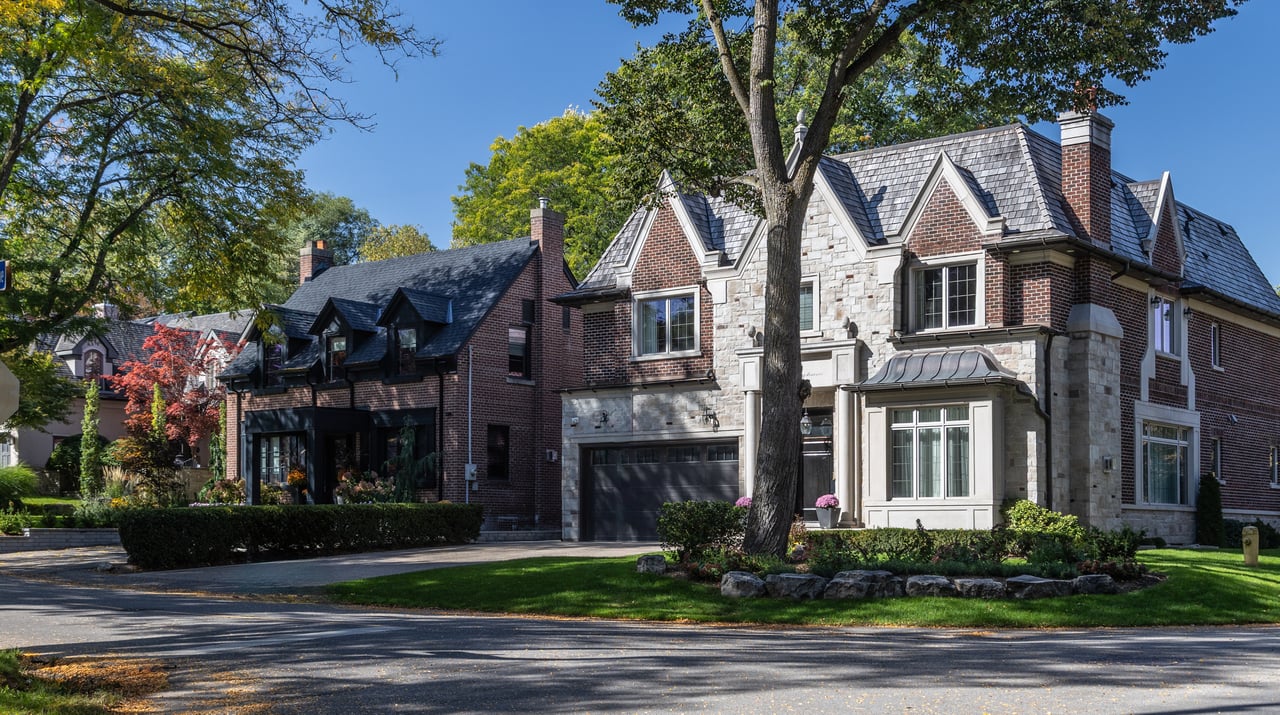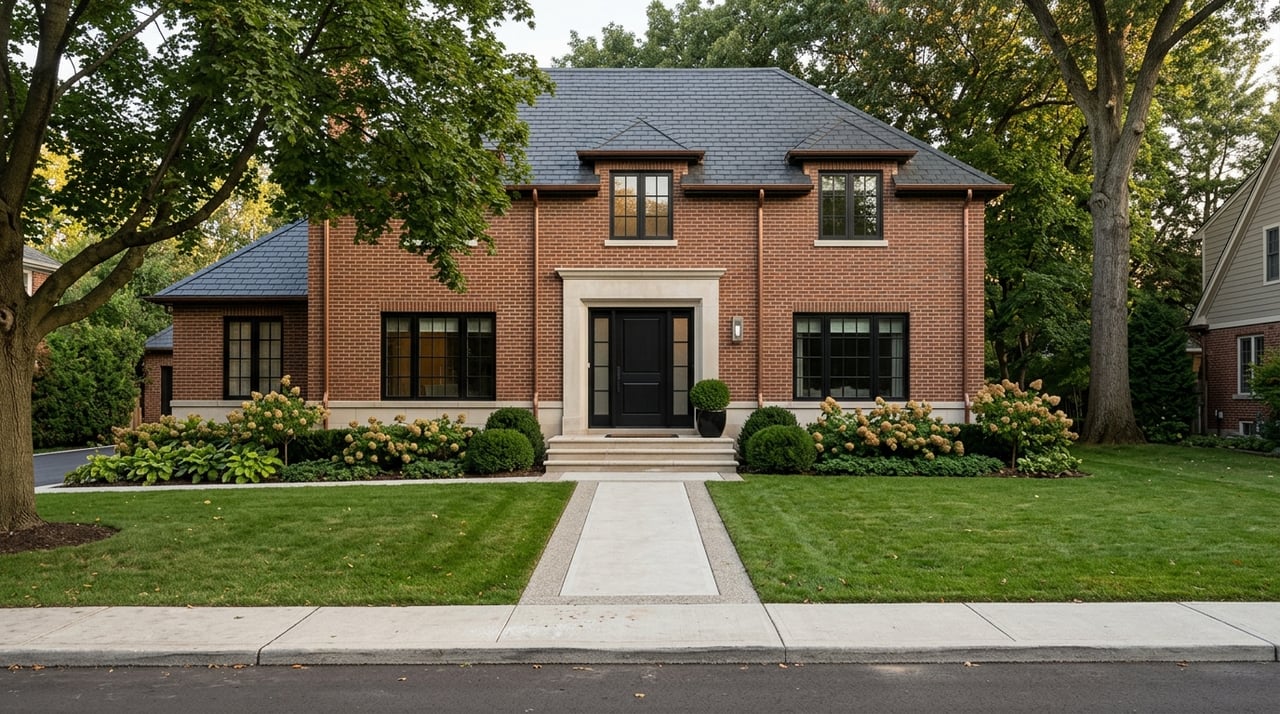
Are you starting to wonder whether your Lawrence Park home still fits the way you want to live? Downsizing can bring real relief, but it also comes with emotional, financial, and timing decisions that deserve careful thought. If you want a clearer path forward, this step-by-step guide will help you weigh your options, prepare smartly, and make your next move with confidence. Let’s dive in.
Why downsizing in Lawrence Park is different
Downsizing in Lawrence Park is not just about square footage. It is also about timing, maintenance, and how this next chapter should feel for you day to day. In an established neighbourhood with older homes, long-held properties, and relatively low turnover, your decision often involves more moving parts than it would in a newer area.
The local backdrop matters too. The City of Toronto has identified aging roads, storm and sanitary sewers, traffic and pedestrian safety issues, and some basement-flooding concerns in the Lawrence Park area. Major road-work-related changes are scheduled through 2027 to 2032, which can influence whether staying, renovating, or selling feels most practical.
Market conditions also shape your options. TRREB community data show Lawrence Park North and Lawrence Park South remained high-value markets in Q4 2025, with both areas recording 32 sales and roughly 24 days on market. At the broader GTA level, May 2026 sales were up year over year, while prices were below prior-year levels, which points to a market where negotiation and planning matter.
Step 1: Decide what downsizing means for you
Before you list anything, define the goal. For some homeowners, downsizing means moving to a smaller freehold with less upkeep. For others, it means choosing a condo, renting for a period, or making changes that allow them to stay comfortably where they are.
CMHC recommends thinking about your current and future mobility needs, your budget, and the lifestyle you want next. That can help you separate what feels urgent from what is simply habit. It can also clarify whether your present home still supports the way you want to live.
If you are unsure, ask yourself a few practical questions:
- Do you still use most of your home regularly?
- Are stairs, home maintenance, or seasonal upkeep becoming harder to manage?
- Do you want to stay in the same general area?
- Would a condo lifestyle feel freeing or restrictive?
- Is your priority simplicity, flexibility, or long-term comfort?
A clear answer here makes every later decision easier.
Step 2: Consider staying with smart updates
Downsizing is not always the only answer. Some Lawrence Park homeowners may be able to remain in place longer by making targeted changes that improve comfort and safety. That option can be especially appealing if you love your home and want to avoid a move right now.
CMHC notes that low- and no-cost accessibility updates can help. These may include creating clearer walking paths, adding lever-style handles, and removing unnecessary doors. Small changes like these can improve daily living while you decide whether a larger move still makes sense.
In a neighbourhood where homes are often older, it is worth looking honestly at what your home would need over the next several years. If the list is growing, moving may be simpler than reinvesting heavily in a property that no longer fits your needs.
Step 3: Build your financial plan early
The financial side of downsizing should be mapped out before you commit to a timeline. Many homeowners focus on sale price first, but your net position matters more than the headline number. You will want a realistic picture of selling costs, moving costs, and the price of your next home.
If you are buying again in Toronto, land transfer tax needs to be part of the budget. Ontario states that buyers in Toronto may pay both the provincial land transfer tax and the City of Toronto municipal land transfer tax. Toronto also updated its municipal land transfer tax schedule in December 2025 for some high-value residential properties with one or two single-family residences.
This is also the stage to think through your preferred sequence. Do you want to sell first for clarity, or buy first to secure the right replacement property? The right answer depends on your finances, risk tolerance, and how specific your next-home criteria are.
Step 4: Confirm the tax treatment of your sale
For many long-time owners, this is one of the first questions. In general, the CRA says that if the property was your principal residence, you usually do not pay capital gains tax on the sale. However, the sale still needs to be reported on your tax return.
There are important exceptions. The rules may be different if part of the home was used for rental or business purposes, or if the transaction falls under residential property-flipping rules. If you have had a basement suite, home office with business use, or any income-producing component over the years, it is wise to confirm the tax treatment before listing.
This step can prevent surprises and helps you plan your true downsize budget more accurately.
Step 5: Choose your next-home type
Once your goals and finances are clear, narrow the type of home that best fits your next chapter. For most Lawrence Park downsizers, the main options are a smaller freehold, a condo, or a temporary rental while deciding what to buy.
A smaller freehold can preserve privacy and independence, but it still comes with maintenance responsibilities. A condo can reduce exterior upkeep and may offer a simpler day-to-day lifestyle. A rental can create breathing room if you want to sell first and buy without pressure.
TRREB’s Q1 2026 condo report showed elevated choice in the condo market, with average condo apartment prices down year over year across the GTA and in the City of Toronto. TRREB’s rental report also described the GTA condo rental market as well supplied. For downsizers, that can create flexibility both for buying a smaller home and for renting temporarily if needed.
Step 6: If buying a condo, review the status certificate
If a condo is on your shortlist, due diligence matters. In Ontario, the Condominium Authority says resale condo buyers should request and review the status certificate. This document must be provided within 10 days, can cost no more than $100, and includes key information about the corporation and unit.
It covers items such as the condo’s governing documents, budget, reserve fund information, common expenses, special assessments, insurance, and any ongoing litigation. These details are essential when comparing one building to another. They also help you understand whether a lower-maintenance lifestyle comes with stable carrying costs.
The Condominium Authority also recommends reviewing the certificate with legal counsel. For many downsizers, this is one of the most important tools for weighing a condo against a smaller freehold home.
Step 7: Declutter before you list
One of the most helpful things you can do is start sorting early. Downsizing is easier when you give yourself time to decide what to keep, donate, store, or pass along. Waiting until just before the move can make the process feel far more stressful than it needs to be.
Try working in small zones rather than tackling the entire house at once. Focus first on spaces with the most accumulated items, such as storage rooms, basements, and closets. This early work also helps you understand how much space you truly need in your next home.
For long-time owners, decluttering often has a second benefit. It makes the home easier to prepare for photography, showings, and eventual packing.
Step 8: Prepare your house to reduce buyer friction
When you are selling as part of a downsize, preparation should focus on making the home feel well cared for and straightforward to evaluate. In a mature neighbourhood like Lawrence Park, buyers often pay close attention to condition, maintenance history, and issues that may affect future costs.
That means repairs should be strategic. Prioritize items that affect buyer confidence or inspection results rather than spending heavily on changes that may not improve your outcome. In older homes, a clean and credible property-condition story can matter just as much as cosmetic presentation.
The broader neighbourhood context also matters here. With local infrastructure work and aging systems part of the conversation in Lawrence Park, buyers may be especially attentive to drainage, basement condition, and overall maintenance.
Step 9: Coordinate timing carefully
Timing can make or break a downsizing move. If you sell first, you may gain clarity on budget and avoid carrying two properties. If you buy first, you may feel more secure if your ideal replacement home is hard to find.
There is no universal answer. The right approach depends on your comfort with risk, your financing position, and how much choice exists in your target segment. In a market with elevated condo inventory and a well-supplied rental market, some downsizers may prefer to sell first and create space to choose carefully.
A coordinated strategy matters most when you want to protect both convenience and negotiating power. This is where advance planning can reduce pressure and help you avoid rushed decisions.
Step 10: Treat downsizing as a lifestyle move
A successful downsize is not only about selling well. It is about landing in a home that feels easier, more practical, and better aligned with how you want to live. That is why the best moves are usually guided by both numbers and lifestyle priorities.
Think about your daily routine. Consider how much space you actually use, how much maintenance you want, and whether you want flexibility for travel, family visits, or a lock-and-leave lifestyle. The right next step should support your life, not just reduce your square footage.
In Lawrence Park, where many homeowners have deep ties to their homes and the neighbourhood, this process deserves a steady and thoughtful approach. A careful plan can help you move on your terms.
If you are thinking about downsizing in Lawrence Park, the process is easier when you have a clear strategy for timing, preparation, and the right next-home fit. For discreet, thoughtful guidance tailored to your goals, connect with Anita Springate-Renaud.
FAQs
What does downsizing in Lawrence Park usually involve?
- Downsizing in Lawrence Park often means deciding whether to stay with targeted updates, move to a smaller freehold, buy a condo, or rent temporarily while planning your next purchase.
Do you pay tax when selling a principal residence in Toronto?
- If your home was your principal residence, you generally do not pay capital gains tax on the sale, but the sale still must be reported to the CRA. Different rules may apply if part of the property was used for rental or business purposes.
Should you sell first or buy first when downsizing in Lawrence Park?
- It depends on your financing, comfort with risk, and the availability of your next-home options. Some downsizers prefer to sell first for clarity, especially when condo and rental choices are more plentiful.
What should you review before buying a Toronto condo?
- You should review the status certificate, which includes the condo corporation’s budget, reserve fund information, common expenses, insurance, special assessments, and any ongoing litigation.
Is a temporary rental a good option when downsizing in Toronto?
- It can be, especially if you want to sell first and take more time to choose your next home. TRREB reported a well-supplied GTA condo rental market, which may provide added flexibility.
Why does local infrastructure matter when downsizing in Lawrence Park?
- The City of Toronto has identified aging roads, sewers, traffic and pedestrian safety issues, and some basement-flooding concerns in the area, so long-term maintenance and construction timing may influence whether you stay, renovate, or move.