If your ideal Toronto day starts on foot, includes time outdoors, and ends with easy access to a coffee shop, grocery run, or subway stop, Lawrence Park deserves a closer look. This neighbourhood offers a different pace from many parts of the city, with winding residential streets, ravine routes, and a practical connection to the Yonge Street corridor. If you are trying to picture what daily life here actually feels like for walkers and cyclists, this guide will help you understand the rhythm of the area. Let’s dive in.
Lawrence Park at a Glance
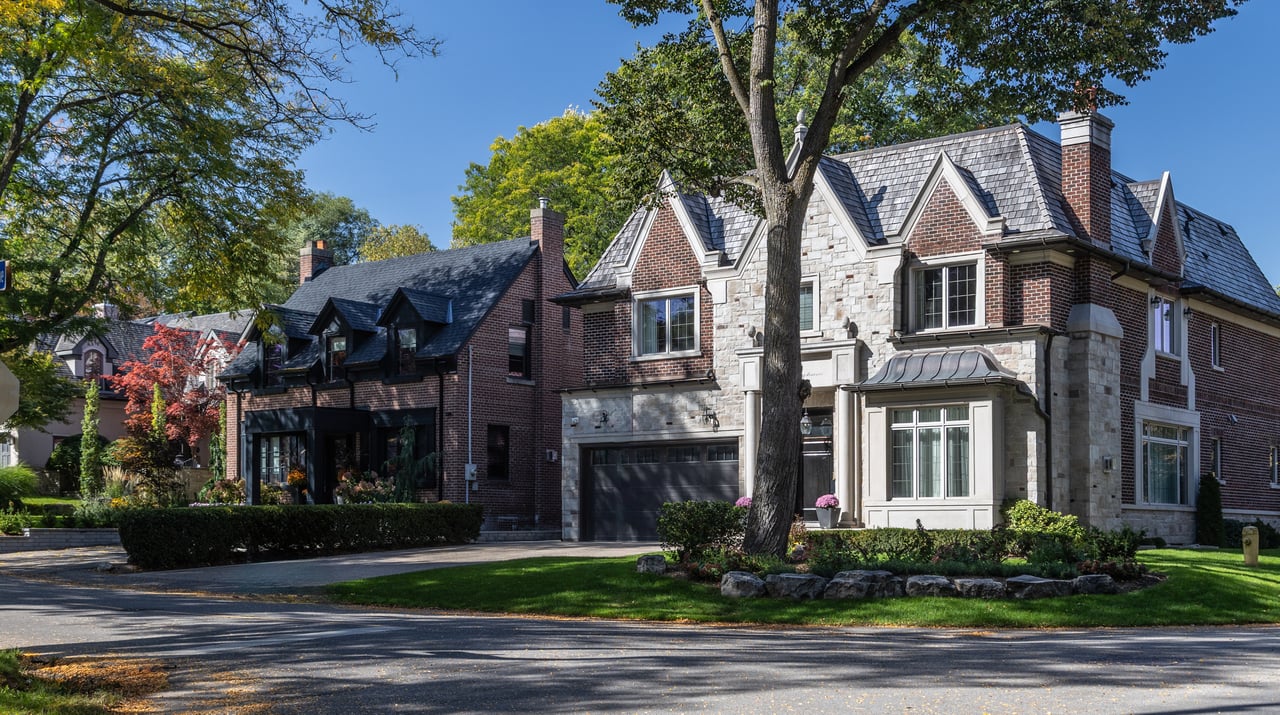
Lawrence Park is one of Toronto’s earliest planned garden suburbs, and that history still shapes how the area feels today. According to the City of Toronto’s heritage study, the neighbourhood was designed with curving roads, generous setbacks, mature trees, gardens, and a setting that follows the natural landscape rather than a standard grid.
That design matters in everyday life. Instead of a highly commercial, fast-moving streetscape throughout, you get an interior that is primarily residential, with green space and ravine character playing a major role in how you move through the area. For many residents, the more errands-friendly edge is the Yonge Street corridor near Lawrence Station.
Walking in Lawrence Park
For walkers, Lawrence Park offers a mix of quiet residential streets and city-recognized green routes. The area is especially appealing if you enjoy walks that feel connected to nature without leaving the city.
One of the clearest examples is the City’s “Northern Ravines & Gardens” Discovery Walk. This official route starts near Lawrence Station and leads through Lawrence Park, Chatsworth, Blythwood, and the Sherwood Park ravine system, giving you a strong sense of how walking here often blends neighbourhood streets with deeper ravine scenery.
Ravines shape the experience
The ravine network is central to daily life in Lawrence Park. The neighbourhood’s heritage character is closely tied to the surrounding natural system, including the Lawrence Park and Sherwood Park ravines.
That means a simple walk can feel more varied than in a typical grid neighbourhood. You may start on a leafy residential street, pass gardens and mature trees, and then move into a more natural trail setting within minutes.
Garden destinations nearby
Alexander Muir Memorial Gardens at 2901 Yonge Street is one of the area’s best-known green anchors. The City describes it as a traditional garden with formal flowers and a sunken garden, and it gives the neighbourhood a polished, peaceful outdoor space close to the main commercial corridor.
You also have access to other notable green spaces in the broader area. Edwards Gardens at 755 Lawrence Avenue East is another City-listed feature garden park, while Sunnybrook Park offers a much larger park setting on a former country estate landscape.
Beltline access adds variety
The Kay Gardner Beltline Park and Trail adds another option for regular outdoor movement. This trail follows a former railway line and gives walkers a different kind of route than the ravine paths, with a long, linear feel that works well for steady daily exercise.
If you like changing up your routine, that matters. In Lawrence Park, walking does not have to mean repeating the same few residential blocks every day.
Cycling in Lawrence Park
Lawrence Park can work well for cyclists, but the experience depends on the type of ride you want. If you prefer comfortable, scenic riding, the trail and ravine network is likely to feel more natural than the larger arterial streets.
The City of Toronto describes its trails as multi-use spaces for pedestrians, cyclists, in-line skaters, and more. Many also provide access into the ravine system, which helps explain why cycling here often feels tied to off-street or park-connected routes rather than fast road riding.
Best fit for everyday riders
For many people, Lawrence Park suits a practical, mixed-mode routine. You might ride locally, use trails for recreation, or cycle to transit before continuing your trip by subway or bus.
This is especially helpful if you want flexibility rather than a car-dependent daily pattern. The area supports shorter local rides and connections to the wider city, even if not every surrounding road feels equally comfortable for all cyclists.
Transit and bike connections
Lawrence Station is the neighbourhood’s key transit anchor. The TTC lists the station at 3101 Yonge Street, with entrances at Yonge and Lawrence, Ranleigh Avenue, and Bedford Park Avenue.
For cyclists, the station includes uncovered bike parking, a repair stand, and a nearby Bike Share connection. It also connects to Line 1 and multiple surface bus routes, making it easier to combine walking, cycling, and transit in a single day.
Planning routes matters
In a neighbourhood like Lawrence Park, route planning makes a real difference. The City’s cycling network map identifies on-street and off-street bikeways, Bike Share station locations, and suggested connections for shopping, work, school, and city exploration.
That kind of network view is useful here because daily cycling may involve a mix of trails, local streets, and transit handoffs. Rather than thinking of Lawrence Park as only a biking neighbourhood or only a walking neighbourhood, it makes more sense to see it as a place where modes can work together.
Daily Errands and Social Stops
A neighbourhood can have beautiful walking routes and still feel inconvenient if everyday errands are difficult. In Lawrence Park, the Yonge Street corridor helps balance the quieter residential interior with practical daily access.
The Yonge Lawrence Village BIA describes the area as home to restaurants, cafés, unique retail stores, services, parks, and access to the ravine trail system. It also highlights the benefit of being on the subway line.
Yonge Street is the practical spine
If you live in Lawrence Park, Yonge Street near Lawrence Station is likely to become part of your regular routine. It is where many of the area’s day-to-day services and casual meeting spots are concentrated.
That setup gives the neighbourhood a useful rhythm. You can enjoy a more tucked-away residential feel at home while still having a clear destination for errands, transit access, and informal social time.
Safety and Shared-Path Etiquette
For walkers and cyclists, comfort is not just about scenery. It is also about whether streets and paths feel manageable in real life.
The City has been actively studying road safety in Lawrence Park. In June 2025, North York Community Council adopted the Lawrence Park Transportation Plan, which addresses concerns such as speeding and traffic volumes and includes speed humps, new sidewalk work on some reconstructed streets, and other safety-oriented changes.
Shared trails work best with care
If you plan to use the local trails and park paths often, it helps to know the City’s posted expectations. Trail users are asked to keep right, pass on the left, and slow down in high-traffic areas.
The City also states that cyclists should not exceed 20 km/h in parks. For daily use, that supports a calmer shared environment and helps set expectations for how recreational and practical movement fit together in Lawrence Park’s green spaces.
Who Lawrence Park May Suit Best
Lawrence Park may be a strong fit if you value a calm residential setting, regular access to ravines and gardens, and the ability to combine outdoor movement with transit and errands. It is especially compelling if you want walking to be part of your lifestyle, not just a weekend activity.
For cyclists, the area may suit you best if you enjoy trail connections, moderate local rides, and flexible transit pairing. If your priority is fast arterial commuting by bike alone, you will likely want to think carefully about route choices and how you prefer to travel day to day.
Why Lifestyle Detail Matters in a Home Search
When you are choosing a neighbourhood, the question is not only what the home looks like. It is also how the area supports your routine once the move is over.
In Lawrence Park, daily life for walkers and cyclists is shaped by a clear combination of residential calm, ravine access, garden spaces, and the practical pull of Yonge Street and Lawrence Station. If that balance sounds right for you, it is worth exploring the neighbourhood with your own habits in mind.
If you are considering a move to Lawrence Park or comparing it with other Toronto neighbourhoods, working with a local advisor can help you weigh lifestyle fit alongside property type, commute needs, and long-term goals. To start that conversation, connect with Anita Springate-Renaud.
FAQs
Is Lawrence Park in Toronto good for daily walking?
- Yes. Lawrence Park offers quiet residential streets, ravine access, and City-recognized walking routes such as the Northern Ravines & Gardens Discovery Walk.
Can you cycle comfortably in Lawrence Park, Toronto?
- Lawrence Park can work well for cyclists who prefer trail networks, park-connected routes, and combining rides with transit, especially near Lawrence Station.
What green spaces are near Lawrence Park for walkers?
- Nearby green-space anchors include Alexander Muir Memorial Gardens, the Sherwood Park and Lawrence Park ravine areas, Kay Gardner Beltline Park and Trail, Sunnybrook Park, and Edwards Gardens in the broader area.
Does Lawrence Park have good transit for walkers and cyclists?
- Yes. Lawrence Station on Line 1 is the main transit anchor, and the TTC notes bike parking, a repair stand, and a nearby Bike Share connection.
Where do most errands happen in Lawrence Park?
- Many day-to-day errands and casual social stops are concentrated along the Yonge Street corridor near Lawrence Station, according to the Yonge Lawrence Village BIA.