If you are deciding between a Forest Hill house and a luxury condo, you are really deciding how you want to live day to day. For some buyers, privacy, outdoor space, and full control are worth the added responsibility. For others, convenience, predictable upkeep, and a more lock-and-leave lifestyle make far more sense. This guide will help you compare both options in the Forest Hill context so you can make a choice that fits your budget, routine, and long-term plans. Let’s dive in.
Forest Hill Has Two Distinct Housing Experiences
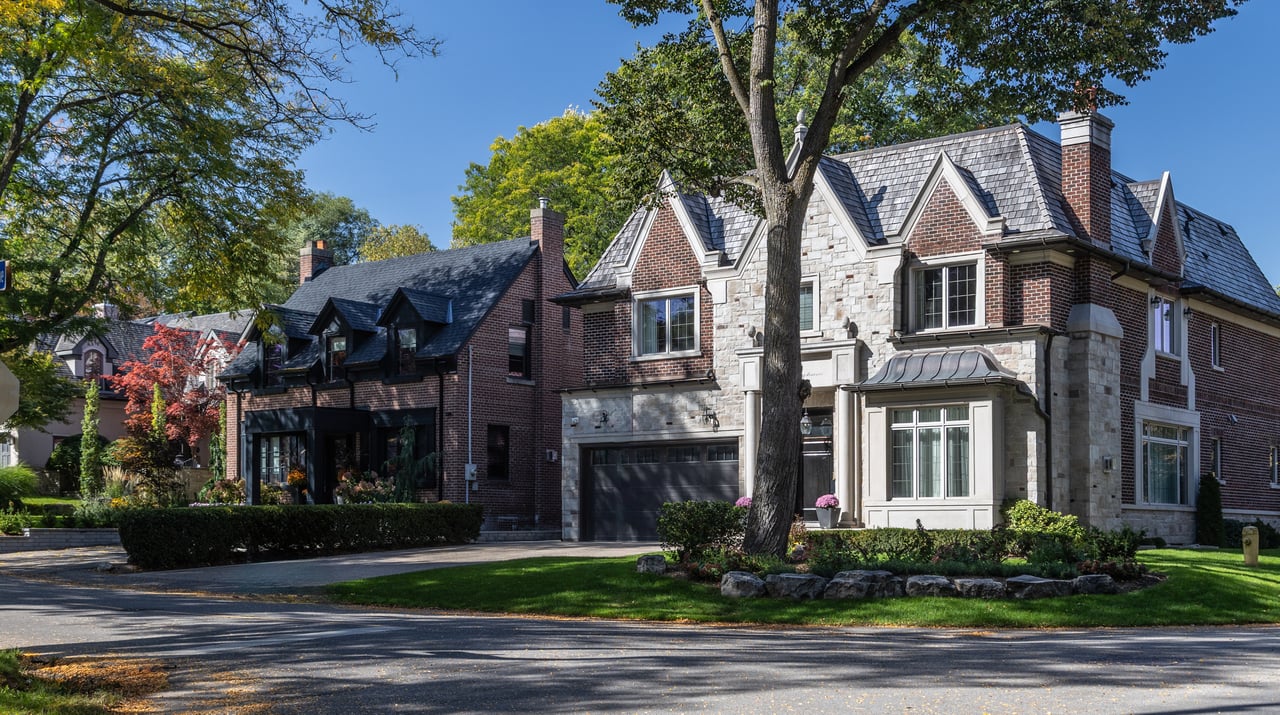
Forest Hill is widely known for its established residential character, with detached and semi-detached houses, townhouses, and walk-up apartment buildings shaping much of the area. City planning policy describes these neighbourhood interiors as lower-scale and physically stable, which helps explain why detached homes remain such a defining part of Forest Hill proper.
At the same time, condo-style living is part of the broader Forest Hill story. In practical terms, luxury condo opportunities are more likely to appear in nearby mixed-use or avenue locations rather than on the quiet interior streets. That creates two very different living experiences within the same wider area.
Forest Hill Village is a good example of this split. It functions as a mixed-use main street on Spadina Road, with shops, services, and transit access near St. Clair West station. Nearby nodes such as Upper Village on Eglinton and Yonge + St. Clair also add the kind of walkable convenience that often appeals to condo buyers.
Why Buyers Choose Forest Hill Houses
A detached house in Forest Hill usually offers the highest level of privacy and the most control over your property. You are not sharing walls, common spaces, or governance in the same way you would in a condo setting. For many buyers, that independence is a major advantage.
You also tend to get more outdoor space and greater flexibility with driveways or garages. If your lifestyle includes gardening, entertaining outdoors, or simply wanting more separation from neighbors, a house may feel like the better fit.
Another key benefit is control over renovations and timing. In a detached home, you are generally responsible for the whole property, including the roof, exterior walls, lawn, driveway, and garage. That means you can make decisions directly, but it also means the work and costs are yours to manage.
What To Consider Before Buying A House
The freedom of house ownership comes with a different level of responsibility. Maintenance costs can be higher and less predictable over time because you are handling exterior repairs, landscaping, snow removal, windows, roofing, and other major items yourself.
In Forest Hill, planning context matters too. Toronto’s policy framework says established neighbourhoods are expected to evolve gradually, with new development respecting the area’s existing physical character. If you are hoping to make major changes to a property over time, it is wise to think carefully about approvals, design fit, and long-term stewardship.
For many buyers, this comes down to a simple question: do you want maximum control, even if it means more hands-on management? If the answer is yes, a house may suit you well.
Why Buyers Choose Luxury Condos
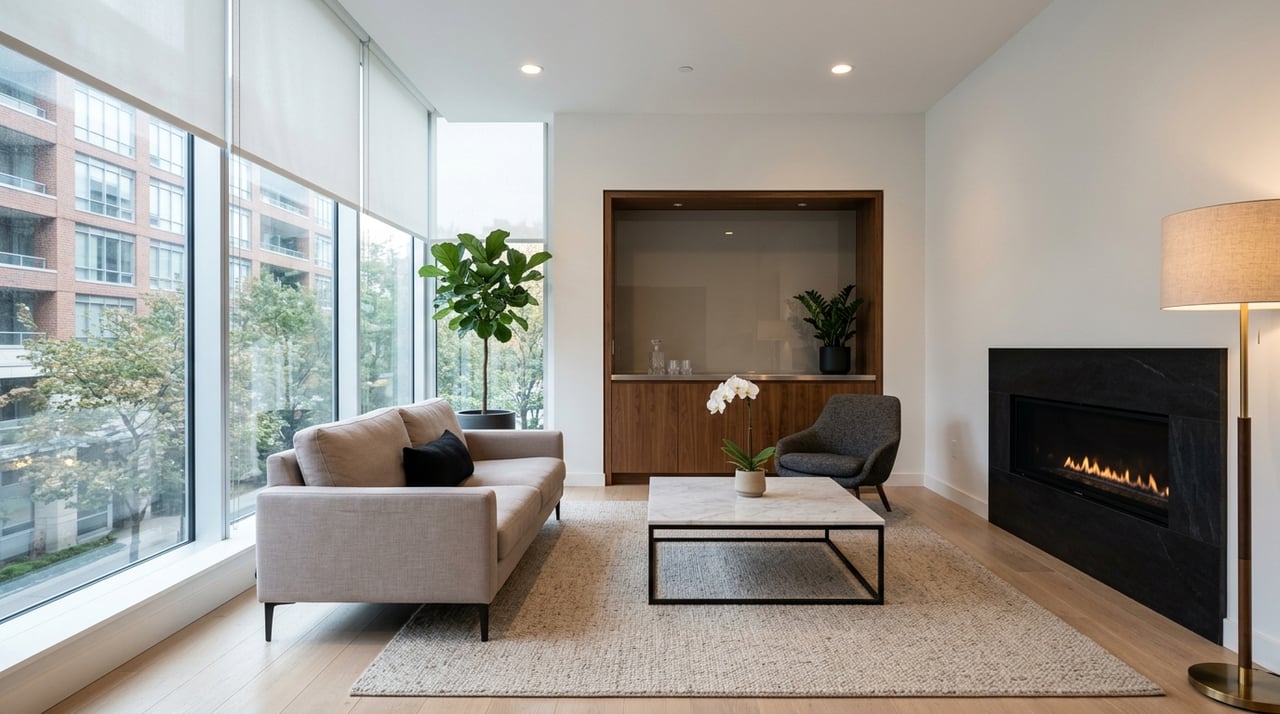
Luxury condos appeal to buyers who want a more streamlined lifestyle. Monthly condo fees typically help cover common-element upkeep, reserve fund contributions, landscaping, snow removal, cleaning, management, security systems, and sometimes shared amenities such as visitor parking, pools, or party rooms.
That structure can make ownership feel more predictable from a monthly budgeting standpoint. Instead of handling every exterior issue yourself, you are contributing to a shared system that manages much of the building’s ongoing upkeep.
For buyers who travel often, split time between properties, or simply prefer fewer day-to-day chores, this can be very attractive. In and around Forest Hill, condos also pair well with the walkable convenience of nearby shopping streets and mixed-use districts.
What To Consider Before Buying A Condo
Condo living brings structure and convenience, but it also brings shared rules and decision-making. You may have less privacy, less say in repair timing, and restrictions related to parking, pets, or smoking depending on the building.
There is also the financial side of condo ownership beyond the purchase price. Special assessments can be charged to owners when there is a budget shortfall, a major unexpected expense, or litigation. If you are buying resale, reviewing the status certificate is one of the most important parts of your due diligence because it includes the budget, reserve fund information, and governing documents.
Insurance is another area buyers should not overlook. The condo corporation must carry insurance for units and common elements, but that does not necessarily cover your upgrades, personal belongings, or certain deductible chargebacks. You should budget separately for personal condo insurance.
Comparing Costs In Toronto
For many buyers, the biggest difference starts with price. TRREB’s May 2026 data for Toronto’s 416 area showed detached homes averaging $1,610,988, while condo apartments averaged $673,841. Forest Hill pricing will vary based on location, lot, renovations, building age, parking, and amenities, but the general budget gap between houses and condos is significant.
Closing costs matter as well. In Toronto, buyers pay Ontario land transfer tax and an additional municipal land transfer tax. Because those costs rise with the purchase price, they often have a larger impact on a detached-home purchase.
The ownership structure also changes how costs show up over time. With a house, more spending tends to come in irregular bursts, such as roofing, exterior repairs, or landscaping projects. With a condo, more of that cost is shifted into monthly fees and reserve fund contributions.
Lifestyle Questions That Clarify The Choice
If you are torn between the two, focus less on labels and more on how you want your life to function. The best choice is usually the one that matches your routines, tolerance for maintenance, and long-term plans.
Ask yourself:
- Do you want privacy and outdoor space more than convenience?
- Are you comfortable managing roof, exterior, and landscaping costs yourself?
- Would you prefer monthly fees in exchange for less day-to-day upkeep?
- Are you comfortable with condo rules and shared decision-making?
- Do you need parking, storage, or guest space?
- Will you be away from the property for long stretches?
That last point matters in Toronto. Under the city’s Vacant Home Tax program, owners must file an annual occupancy declaration, and a residential property that is vacant for six months or more in the taxation year may be taxed unless an exemption applies.
A Practical Forest Hill Lens
In Forest Hill, the house-versus-condo decision is also a location decision. If you want the classic residential experience of the neighborhood, detached homes are more aligned with the area’s established low-rise character.
If you want easier upkeep and more immediate access to shops, services, and transit, a luxury condo near Forest Hill Village, Upper Village, or Yonge + St. Clair may offer a better match. These nearby nodes support the convenience that makes condo living feel practical and comfortable.
Neither option is automatically better. The right choice depends on whether you value autonomy and space, or simplicity and shared support, more highly at this stage of your life.
A thoughtful purchase in Forest Hill starts with honest answers about how you live now and how you want to live next. If you want a calm, informed conversation about which option best fits your goals, Anita Springate-Renaud can help you evaluate the trade-offs with clarity and discretion.
FAQs
Is Forest Hill mostly houses or condos?
- Forest Hill proper is primarily a low-rise residential area dominated by detached and semi-detached houses, townhouses, and walk-up apartments, while condo opportunities are more likely in nearby mixed-use nodes.
Are luxury condos common inside Forest Hill itself?
- Luxury condo options are generally more likely to be found near Forest Hill in mixed-use areas such as Forest Hill Village, Upper Village, and Yonge + St. Clair rather than on interior residential streets.
What costs should buyers compare in Forest Hill houses versus condos?
- You should compare purchase price, land transfer taxes, monthly condo fees, reserve fund exposure, insurance needs, and the likely cost of irregular maintenance for a detached home.
What documents matter when buying a resale condo near Forest Hill?
- The status certificate is a key due diligence document because it includes the condo corporation’s budget, reserve fund information, and governing documents.
Does a Forest Hill house offer more control than a condo?
- Yes. A detached house usually gives you more control over renovations, exterior decisions, and day-to-day management, but it also makes you responsible for more maintenance.
Can the Vacant Home Tax affect Forest Hill buyers?
- Yes. If you plan to leave a Toronto property vacant for six months or more in a taxation year, the Vacant Home Tax may apply unless an exemption applies.