Looking for a Toronto neighborhood that feels calm, connected, and easy to enjoy on foot? Forest Hill offers a rare mix of small-scale shopping, everyday convenience, and green space, all within a compact stretch that never feels overwhelming. If you are exploring the area for a move or simply want to understand its lifestyle appeal, this guide walks you through what a day in Forest Hill can look like. Let’s dive in.
Start in Forest Hill Village
The heart of the neighborhood experience is Forest Hill Village, the compact mixed-use stretch along Spadina Road north of St. Clair Avenue. Rather than a large commercial district, it feels more like a small main street with a clear local rhythm and an easy walking pace.
According to the local BIA, the village includes more than 60 merchants, with a mix of cafés, restaurants, food shops, fashion boutiques, specialty retailers, wellness providers, and service businesses. That merchant mix gives you plenty to do without needing a full-day itinerary or long travel times between stops.
Ease Into the Morning
A Forest Hill day is well suited to a slower start. The area’s retail character supports a coffee or brunch stop first, followed by a relaxed browse through the village core rather than a rushed schedule.
This part of the neighborhood works especially well if you like walkable errands and lifestyle convenience. City planning materials describe the area as a vibrant, transit-accessible community with residential, commercial, and institutional uses, while the village remains a short, shop-lined stretch rather than a sprawling corridor.
Browse the Village Shops
One of Forest Hill’s strengths is how concentrated everything feels. You can move from a café to a specialty shop to a service stop in a short walk, which makes the neighborhood feel practical as well as polished.
The City of Toronto’s planning overview for Forest Hill Village notes the area’s mixed-use character, while the BIA highlights its small independent businesses and walkable scale. For you, that means the experience is less about rushing to a destination and more about enjoying a main street that still feels local.
Why the Scale Matters
In many Toronto neighborhoods, retail can stretch for blocks and start to feel fragmented. Forest Hill Village is different because its compact footprint makes it easy to cover in a short span.
That smaller scale often appeals to buyers who value convenience without giving up a quieter residential setting nearby. You can enjoy the shops and cafés, then step onto calmer side streets within minutes.
Notice the Neighborhood Texture
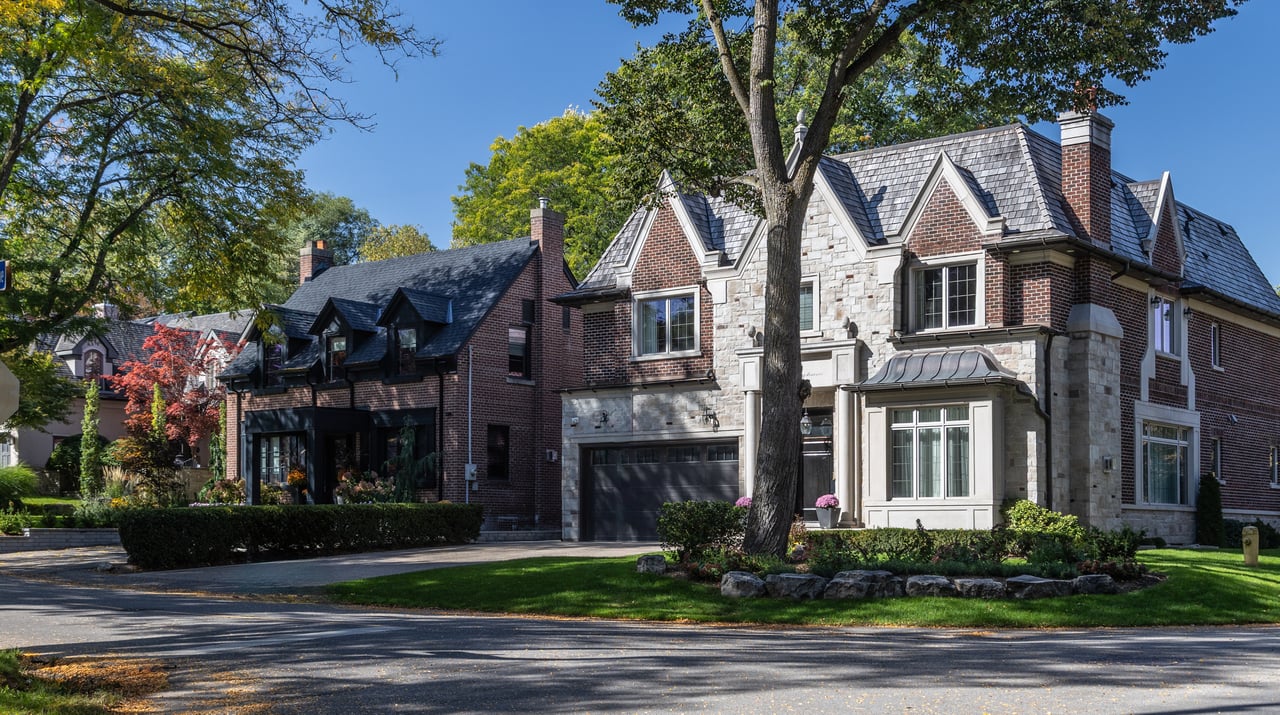
Forest Hill’s appeal is not only about the village itself. The surrounding streets help shape the experience, with mature trees, landscaped homes, and a lower-rise built form that creates a softer transition away from the commercial strip.
The area’s history adds context here. Forest Hill was incorporated in 1923 and remained a separate municipality until joining Toronto in 1967, and the city’s urban design guidelines describe how it developed as a controlled, primarily residential community with limits on industrial uses.
A Main Street With History
That history still shows in the layout today. The same guidelines note that the original commercial core formed around Spadina and Lonsdale as a convenience node for nearby residents, which helps explain why the village still feels intimate and neighborhood-oriented.
The BIA also points to the area’s rural roots and mature tree canopy. Together, those details help explain why Forest Hill often feels established and calm, even when you are close to shops and transit.
Head for Green Space
After time in the village, the next natural step is a walk through nearby green space. This is where Forest Hill stands apart, because the neighborhood is closely linked to some of midtown Toronto’s best-known park and trail connections.
Cedarvale Park and Cedarvale Ravine are the clearest anchors. City materials describe sports fields, playgrounds, wetlands, steep hills, and young regrowth forest, all connected to a broader ravine trail system across midtown.
Walk Cedarvale Ravine
If you want the most immersive green-space experience nearby, Cedarvale Ravine is the obvious choice. It offers a stronger sense of separation from the city than you might expect so close to a busy urban area.
For buyers, this matters because access to trails and parkland can shape how a neighborhood feels day to day. Forest Hill combines a compact retail core with meaningful outdoor access, which is not always easy to find in the same pocket of the city.
Add the Beltline Trail
Another nearby option is the Beltline Trail, which the City describes as a 4.5-kilometre, tree-lined corridor following the former Belt Line Railway. It adds another layer to the area’s walking appeal and reinforces Forest Hill’s connection to a broader network of outdoor routes.
If you are someone who values a neighborhood that supports both everyday errands and regular outdoor time, this mix is worth paying attention to. The trails help make the area feel connected, not just convenient.
See the Quieter Side Streets
Part of a day in Forest Hill is also about noticing what happens away from the main strip. The surrounding neighborhood is described by the city as mostly low-rise, with single- and semi-detached houses, townhouses, and walk-up apartment buildings.
That creates a clear contrast between the activity of Spadina Road and the quieter residential pockets nearby. It is one of the reasons Forest Hill can appeal to a wide range of buyers, from those looking for established homes to those focused on a lifestyle defined by walkability and neighborhood character.
Smaller Parks Add to the Feel
Forest Hill also includes smaller green spaces that add to the day-to-day experience. The city’s park listings include Forest Hill Road Park and Wells Hill Park as examples of the pocket parks that help reinforce the area’s quieter residential texture.
These smaller spaces may not be destination parks, but they contribute to the overall rhythm of the neighborhood. They are part of what makes the area feel settled and livable rather than purely commercial.
Getting Around Is Straightforward
Forest Hill is easy to enjoy on foot, but it is also well connected to the rest of Toronto. That balance can be especially important if you want a neighborhood that feels calm without feeling cut off.
The BIA notes that Forest Hill Village is accessible by car, transit, bicycle, and on foot, with on-street parking, bike parking, and a Green P lot near Spadina and Thelma. For transit users, St Clair West Station provides access to Line 1, along with surface routes including 33 Forest Hill and 512 St Clair.
Why Connectivity Matters
When you are evaluating a neighborhood, lifestyle is often about more than one block or one amenity. You may want local cafés and shops, but you also need a practical connection to the wider city.
Forest Hill offers both. You can spend the day moving at a quieter pace in the village and nearby parkland, while still having direct access to transit when work, appointments, or downtown plans call.
What This Means for Buyers
If you are considering Forest Hill as a place to live, the neighborhood’s appeal is easy to see in a single day. It offers a compact village core, useful everyday amenities, strong transit links, and access to well-known green spaces, all within a setting shaped by mature streetscapes and low-rise residential pockets.
That combination can be especially attractive if you want a neighborhood with a clear identity and an easy sense of place. Forest Hill is not trying to be the busiest part of Toronto, and that is part of its value.
Forest Hill in One Day
If you want a simple way to picture the area, think of the day in four parts:
- Start with coffee or brunch in Forest Hill Village
- Browse the independent shops and service businesses along Spadina Road
- Head to Cedarvale Ravine or the Beltline Trail for a walk
- Return through the quieter residential streets and smaller parks nearby
It is a straightforward sequence, but it captures what makes the neighborhood distinct. Forest Hill offers a lifestyle that feels both polished and grounded, with daily convenience and green space working side by side.
If you are thinking about buying or selling in Forest Hill and want thoughtful, local guidance, Anita Springate-Renaud offers a refined, relationship-driven approach rooted in Toronto neighborhood expertise.
FAQs
What is Forest Hill Village in Toronto?
- Forest Hill Village is the compact mixed-use main street area along Spadina Road north of St. Clair Avenue, with more than 60 merchants including cafés, shops, and service businesses.
What kind of shops and cafés are in Forest Hill Village?
- The local merchant mix includes restaurants, cafés, food shops, fashion boutiques, specialty retailers, health and wellness providers, and service businesses.
What green spaces are near Forest Hill?
- Cedarvale Park, Cedarvale Ravine, the Beltline Trail, Forest Hill Road Park, and Wells Hill Park all help define the neighborhood’s access to outdoor space.
Is Forest Hill easy to get around without a car?
- Yes. The area is walkable and also connected by transit through St Clair West Station, Line 1, and surface routes including 33 Forest Hill and 512 St Clair.
What makes Forest Hill different from larger shopping districts in Toronto?
- Forest Hill Village is compact rather than sprawling, which gives it a more local main street feel and makes it easy to combine cafés, shopping, and green space in a single outing.